What Is Cvd Diamond And Its Process – Detailed Guide


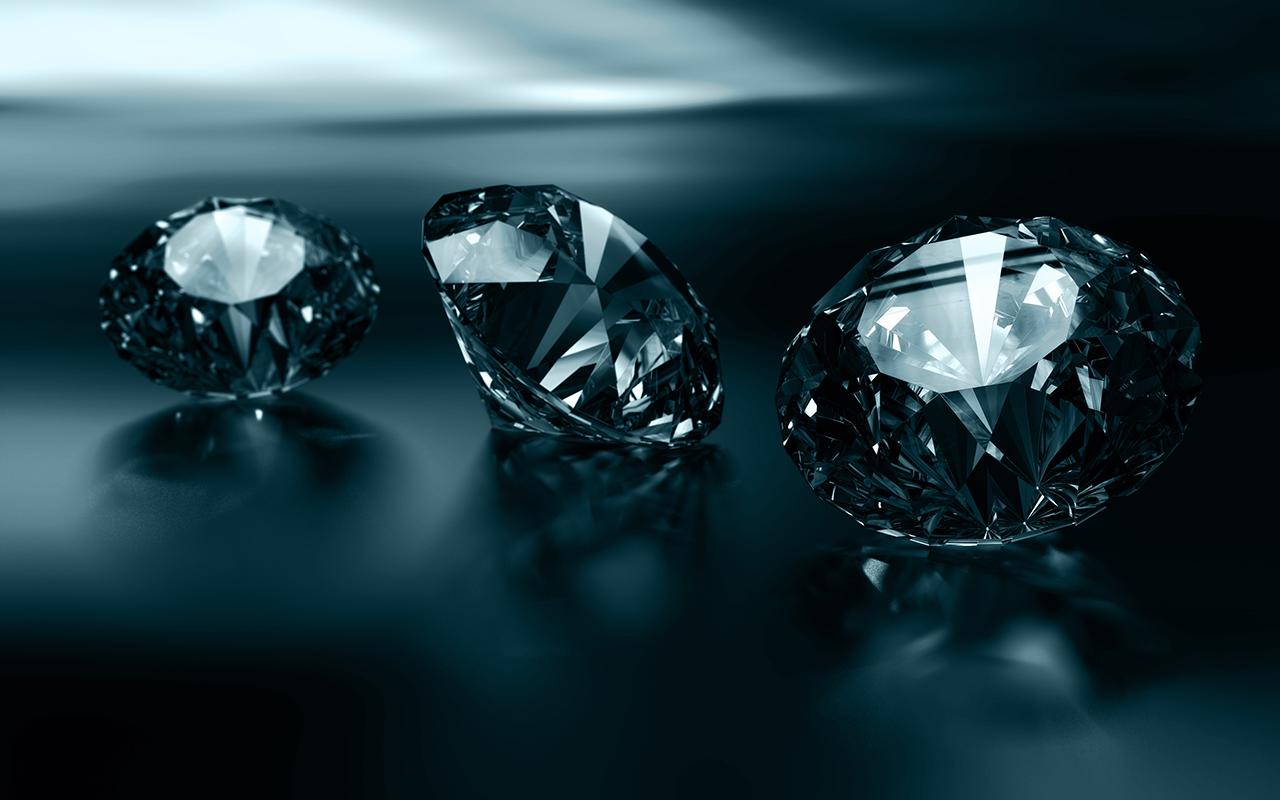
What Are CVD Diamonds?
Chemical Vapor Deposition (CVD) is a scientific method used to create diamonds in laboratories. CVD lab diamonds have been around for over a decade and are produced using advanced technology that replicates the natural chemical conditions under which diamonds form beneath the Earth’s surface.
CVD diamonds are grown layer by layer from carbon-rich gases, allowing precise control over diamond quality, size, and purity.
CVD diamonds are lab-grown diamonds created using chemical vapor deposition technology that forms real diamonds from carbon gas.
Are CVD Diamonds Real Diamonds?
Yes. CVD diamonds are 100% real diamonds.
They have the same physical, chemical, and optical properties as mined diamonds. To the naked eye—and even under standard gemological testing—CVD diamonds are indistinguishable from natural diamonds.
Authentic CVD diamonds that are graded by recognized gemological laboratories come with a laser inscription on the girdle identifying them as lab-grown diamonds, ensuring transparency and trust.
Brief History of CVD Diamonds
Lab-grown diamonds were first created in 1956 using the HPHT method. However, the CVD diamond growth process was fully realized only in the 1980s, after years of scientific experimentation.
Early pioneers of CVD diamonds include W.G. Eversole, Derjaguin, and J. C. Angus.
According to the Gemological Institute of America (GIA), early CVD chambers could grow only one diamond seed at a time. Modern CVD systems can reportedly grow 50 or more diamond seeds simultaneously, with further scalability expected.
GIA research also confirms that:
- CVD technology has advanced rapidly
- Larger, near-colourless diamonds are now achievable
- A 3-carat CVD diamond (2016) and later a 5-carat CVD diamond were successfully tested
The ability to control defects and enhance diamond quality has improved significantly over the last 20 years.
Why Were CVD Diamonds Invented?
Scientists developed CVD diamonds for three primary reasons:
1. Scarcity of Natural Diamonds
Mined diamonds take millions of years to form. With global demand increasing, laboratory-grown diamonds became a necessary alternative.
2. Ethical Concerns
Conflict diamonds, also known as blood diamonds, raised serious ethical and humanitarian issues. CVD diamonds are created in controlled laboratory environments, making them conflict-free diamonds.
3. Cost Factor
Mined diamonds are extremely expensive and inaccessible to many buyers. CVD diamonds are typically 40–60% cheaper, making real diamonds more affordable without compromising quality.
These factors directly address debates around lab grown diamonds vs real diamonds.
Properties of a CVD Diamond
CVD diamonds possess exceptional characteristics, including:
- Unparalleled hardness
- Extraordinary thermal conductivity
- Chemical inertness (resistant to acids and chemicals)
- Broad-band optical transparency
- High resistance to graphitization, even at extreme temperatures
These properties make CVD diamonds ideal not only for jewelry but also for industrial and technological applications.
What Is the CVD Diamond Making Process?
The CVD diamond manufacturing process involves controlled chemical reactions:
Step-by-Step CVD Diamond Process:
- A mixture of hydrocarbon gas and hydrogen is introduced into a growth chamber.
- The chamber is maintained at low pressure and high temperature.
- Hydrogen converts into atomic hydrogen, facilitating diamond growth.
- Atomic hydrogen reacts with hydrocarbon gas to release pure carbon atoms.
- Carbon atoms bond layer by layer, forming a CVD diamond crystal.
CVD diamonds grow atom by atom, allowing superior control over purity and structure.
Cutting and Polishing of CVD Diamonds
CVD diamonds are cut and polished exactly like mined diamonds, using the same techniques and at the same cost.
For transparency, these diamonds can be laser inscribed on the girdle, enabling buyers to identify them as lab-grown.
Why Should You Buy CVD Diamonds?
Key Benefits of buying CVD Diamonds:
- CVD Diamond Price: 40–60% lower than mined diamonds
- 100% Real Diamonds: Same brilliance, fire, and durability
- Conflict-Free Diamonds: Ethically sourced
- Eco-Friendly Diamonds: Minimal environmental impact
- Type IIA Diamonds: Colourless or near-colourless (D–J), the purest diamond category
Advantages of CVD Diamonds Over HPHT Diamonds
Both CVD and HPHT lab-grown diamonds allow buyers to customize size, shape, cut, and design—something mined diamonds rarely offer.
The CVD process offers several advantages over HPHT, including:
- Greater flexibility in diamond size and shape
- Ability to reduce impurities through gas control
- Growth over larger areas and various substrates
- Better control over chemical composition
- No need for extremely high pressures (growth occurs under 27 kPa)
| Aspect | CVD Diamonds | HPHT Diamonds |
| Flexibility in Size & Shape | Higher flexibility in diamond size and shape | Comparatively limited flexibility |
| Control Over Impurities | Addition of gases helps reduce impurities | Less control over chemical impurities |
| Diamond Growth Area | Can grow diamonds over large areas and on various substrates | Growth is more restricted |
| Control Over Properties | Better control over chemical composition and diamond properties | Limited control over final properties |
| Pressure Requirement | Does not require high pressure; growth occurs under 27 kPa | Requires extremely high pressure conditions |
| Manufacturing Precision | Allows precise manipulation of defects and quality | Defect control is more limited |
| Technology Advantage | Advanced and continuously improving technology | Older and more pressure-intensive process |
CVD Diamonds vs Mined Diamonds: Decision Summary
| Parameter | CVD Diamonds (Lab Grown) | Mined Diamonds (Natural) |
| Origin | Created in controlled laboratory environments using Chemical Vapor Deposition (CVD) technology | Formed naturally under the Earth’s surface over millions of years |
| Diamond Authenticity | 100% real diamonds with the same physical, chemical, and optical properties as mined diamonds | 100% real diamonds formed naturally |
| Visual Difference | Cannot be distinguished from mined diamonds with the naked eye | Cannot be distinguished from CVD diamonds with the naked eye |
| Time to Form | Grown over a few weeks using advanced technology | Takes millions of years to form naturally |
| Price | Typically 40–60% cheaper than mined diamonds | Extremely expensive due to rarity and mining costs |
| Ethical Sourcing | Completely conflict-free and produced in safe laboratory conditions | May involve ethical concerns related to conflict or blood diamonds |
| Environmental Impact | Eco-friendly, minimal environmental damage | Mining can cause significant environmental disruption |
| Purity & Type | Often Type IIA diamonds, the purest form (colourless or near colourless D–J) | Can be Type I, Type IIa, or other classifications |
| Quality Control | High control over impurities and diamond growth | Quality depends on natural geological conditions |
| Customization | High flexibility in size, shape, cut, and design | Limited by what is naturally mined |
| Certification & Disclosure | Graded by authentic laboratories and laser-inscribed as lab-grown | Certified by gemological laboratories as natural diamonds |
| Availability | Consistent supply due to scalable laboratory production | Limited supply due to natural scarcity |
| Value Proposition | Affordable, ethical, eco-friendly real diamonds | Traditional appeal, rarity-driven value |
Related Article : Differentiate Between Lab Grown And Natural Diamonds
With ethical sourcing, affordability, and customization benefits, it’s no surprise buyers are shifting toward lab-created diamonds over mined diamonds.