Why Lab Grown Diamonds Proportions Matter


When selecting the best lab-grown diamonds, most people focus on the 4Cs of diamonds — cut, color, clarity, and carat weight. These factors are important, but there’s one more critical factor that people often don’t talk about. Diamond proportions.
In this blog, we take a deep dive into lab grown diamond proportions and why they matter so much, and why you must consider diamond cut and diamond proportions when buying diamonds.
The Science Behind Lab Grown Diamond Proportions
Before we get into the details, what is diamond proportion? Diamond proportion refers to the various measurements of a diamond, for instance, the table size, crown angle, pavilion depth, and total depth. These measurements determine how light interacts with the diamond and how the diamond performs under different lighting.
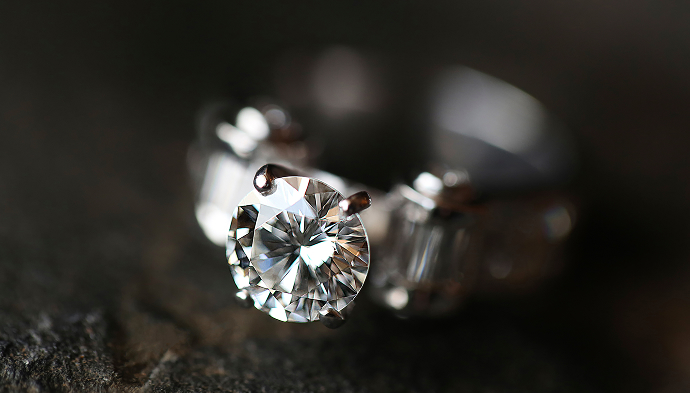
When a lab-grown diamond is cut with ideal proportions, light enters through the top, bounces around inside, and reflects back to the viewer’s eye. This process creates a sparkle in the manufactured diamond. If the proportions are too deep or too shallow, light escapes through the sides or bottom, resulting in a dull, lifeless appearance.
Lab-grown diamonds, manufactured diamonds, or cultured diamonds have the same physical, chemical, and optical properties as natural diamonds. They’re created in controlled laboratory environments that replicate the natural diamond-growing process.
Just like natural diamonds, the proportions of lab-grown diamonds have an impact on their brilliance and fire. The advantage of lab-grown diamonds is that cutters often have more flexibility to prioritize ideal proportions since they’re not constrained by trying to maximize carat weight from a natural rough diamond.
The Importance of Diamond Cut in Diamond Proportions
Diamond cut grades are extremely important and are influenced by proportions. Diamond cut grades range from Excellent to Poor. Let’s look at different diamond cut grades in brief.
- Excellent: Reflects almost all light that enters the diamond and offers maximum brilliance.
- Very Good: Reflects most light that enters the lab-grown diamond.
- Good: Reflects a good amount of light.
- Fair: Reflects some light of the cultured diamond.
- Poor: Reflects minimal light.
How do Diamond Proportions Vary for Different Diamond Shapes?
|
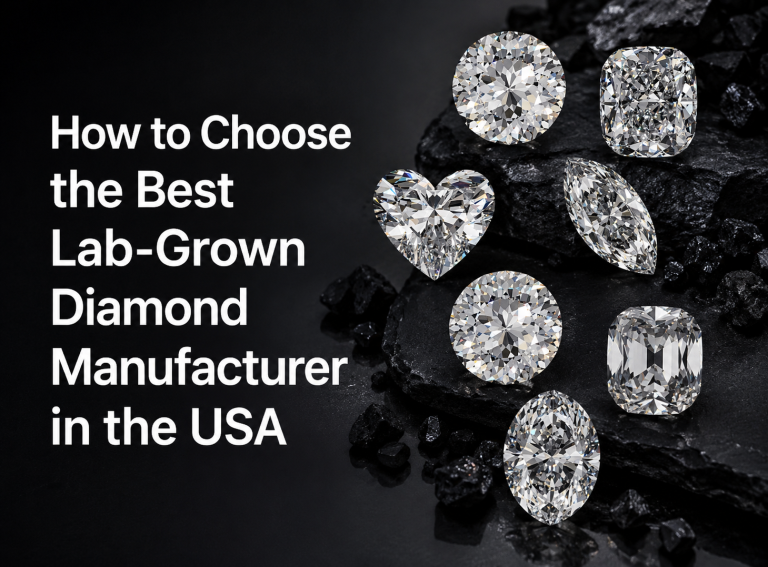
Round brilliant |
It has the most precise ideal proportions with maximum light return |
|
Princess cut |
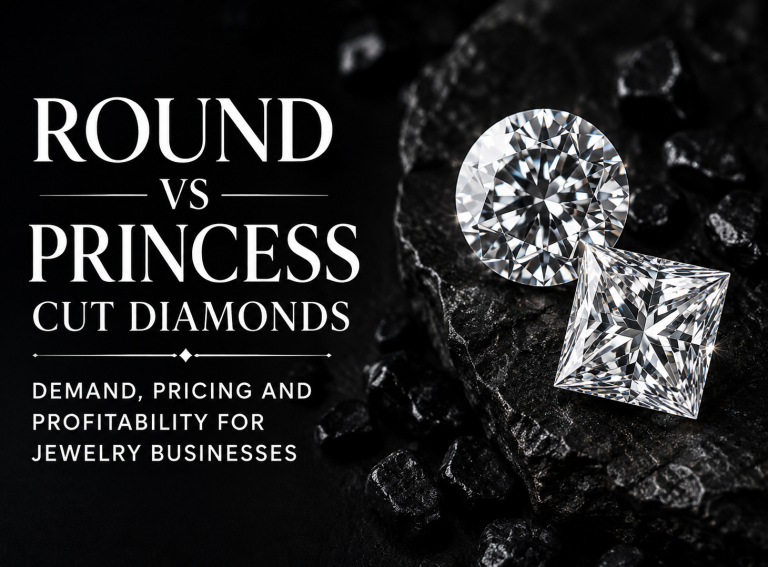
Square or rectangle with pointed corners, this diamond cut has a depth of 65 to 75% |
|
Oval cut |
This elongated diamond appears larger than round diamonds of the same carat weight |
|
Cushion cut |
Square or rectangle with rounded corners, it displays the best diamond fire |
|
Emerald cut |
This lab-grown diamond has step-cut facets and displays brilliance |
|
Pear shape |
Teardrop shaped, this diamond cut has round and marquise cut features |
|
Radiant cut |
Square or rectangle with trimmed corners, this diamond displays brilliance |
How to choose well-proportioned lab-grown diamonds?
When looking for well-proportioned natural or lab-grown diamonds, consider these key measurements:
-
Table Percentage: Ideally between 53-58% for brilliant round cuts
-
Crown Angle: Typically, 34-35 degrees for maximum brilliance
-
Pavilion Angle: Optimally around 40.75 degrees
-
Total Depth Percentage: Generally, between 59-62.5%
Summing up
Are you looking to buy lab grown diamonds of exceptional proportions and performance? If yes, you’re in luck with the vast collection of lab-manufactured diamonds offered by Grown Diamond Corporation.