A Sparkling Shift: Lab Grown Diamonds Influence on Global Industry


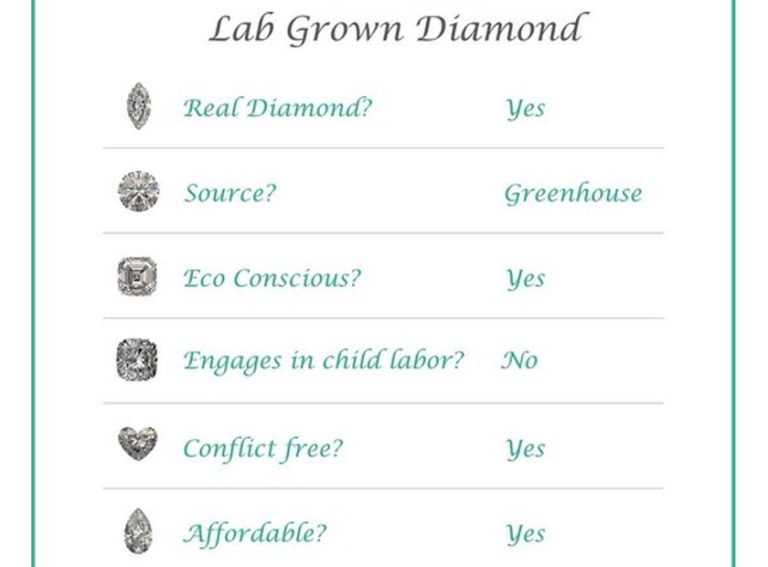
A few years ago, if you were told to buy a real diamond, you’d probably only think about mined diamonds. But today, real diamonds are also made in laboratories. They need not be pulled out from the bottom of the Earth.
Lab grown diamonds trend shows that these stones are now accepted as real diamonds. Their preference and demand are increasing. The lab grown diamond industry is thriving with new technology, innovation, and design. And there’s much more than meets the eye. That’s what we explore in this blog.
Lab grown diamond trends and status quo
Acceptance of lab made diamonds as real
Lab diamonds have been around for around seven decades. But it is only recently that they’re being popularly accepted as real. Owing to factors such as sustainability and affordability, lab grown diamond trend data shows a significant rise in popularity and increasing sales.
Diamonds made under the surface of the Earth take millions of years to form. Moreover, its quantity and availability cannot be predicted. Diamond mining is also harmful to the environment and human life. And hence, conscious diamond connoisseurs have avoided buying natural diamonds, giving rise to the acceptance of synthetic diamonds that are real. How have lab-grown diamonds impacted the market for natural diamonds? The answer lies in the shift in consumer mindset due to these environmental and ethical concerns.
Growth of man made diamonds industry
The conventional diamond industry has been impacted by lab grown diamonds. The optical, physical, and chemical characteristics of these Russian manmade diamonds or lab-produced stones are identical to those of real diamonds, but they are more reasonably priced and come from ethical sources. In the 1950s, General Electric (GE) made the first lab grown diamonds. The lab-produced stones, on the other hand, are the outcome of decades of investigation by scientists all around the world.
Over the years, the lab grown diamond industry has gone through a lot of innovation in technology, with the rise of lab grown diamond machine manufacturers, digitalization of lab diamond businesses, and improvements in Shift lab features that assist in workforce management in this evolving market.
Initially, only the High Pressure High Temperature (HPHT) method was used. Later, the Chemical Vapor Deposition (CVD) method was introduced. Today, most lab made diamond manufacturers use this method.
The new generation of conscious consumers find synthetic diamonds a more meaningful alternative to mined natural diamonds. Celebrities, too, have shown their support to lab diamonds, which has helped influence young consumers.
Lab grown diamonds: statistics
-
The global market volume of lab made diamonds is forecast to be nearly 19.2 million carats by 2030
-
Not just for diamond jewelry and aesthetics, lab diamonds may also be potentially used in other technological and hardware solutions such as quantum technologies and semiconductors
-
66% of millennials and Gen Z show interest in purchasing lab diamond for engagement rings
-
Lab created diamond sales have seen a compound annual growth rate of approximately 20% over the past few years
-
Lab diamonds are also utilized in different industries such as machine and cutting tools, heat sinks and exchangers, electronics, healthcare instruments, etc.
-
Lab grown diamonds are ready to take over the market thanks to rising gold prices, tightening US sanctions against Russian diamonds, and the opening of the Chinese market.
Lab grown diamond influence in different parts of the world
In different parts of the world, lab grown diamonds trend indicates they are more or less well-liked and accepted. Lab grown diamonds have become very popular in the United States, especially with younger generations. The market for lab diamonds is increasing throughout Europe, with the UK and Germany leading the pack. Lab grown diamonds are still relatively new in some parts of the world, such as India and China.
Despite these regional differences, the general trend indicates that lab-grown diamonds’ impact on natural diamonds is becoming more significant with every passing year.
There is currently a slump in the American market. But the Chinese market is opening. This has made a major contribution to sales growth. The market for lab grown diamonds may be affected in some way by the state of the economy and developments in the diamond industry. However, industry insiders are nonetheless upbeat about the future of lab grown diamonds and see room for expansion both now and in the future.
In a nutshell
No matter the challenges faced by the lab grown diamond industry, they’re here to stay. The technical challenges are being addressed by science and innovation, and market challenges are being balanced by new markets opening up in different parts of the world that are seeing a rise in the acceptance of lab grown diamonds. All in all, it’s a sparkling future for these synthetic diamonds.