Buy Loose Lab-Grown Diamonds – Factors to Consider and Grading Chart


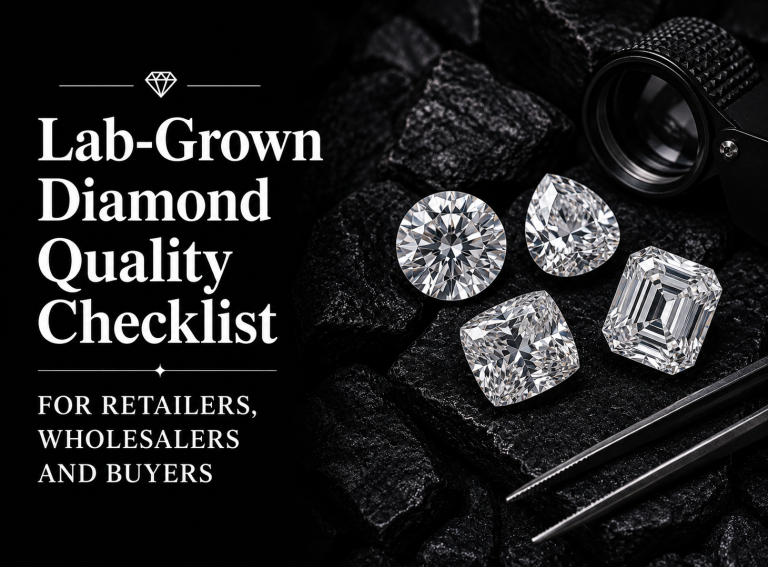
Buying loose lab grown diamonds can be more difficult than buying jewellery made with lab-created diamonds. When buying loose lab grown diamonds, you would have to consider many factors, such as the size, cut, position of inclusions (if any), clarity, etc. You would have to imagine how the diamond would fit and be set within the jewellery design you want it in.
To make choosing the right shape and cut of loose lab-created diamonds easy, you could follow the standard grading system to begin with. The Gemological Institute of America, founded in the 1940s, created the widely used grading system known as the 4Cs. There are many elements that determine a lab-grown diamond’s quality, but four pillars primarily influence its price and worth.
Let’s learn what those lab-grown diamond quality chart factors are.
Factors to consider when choosing Loose Lab Grown diamonds
Below are the 4 CS of diamonds that need to be considered when choosing loose synthetic diamond.
Cut
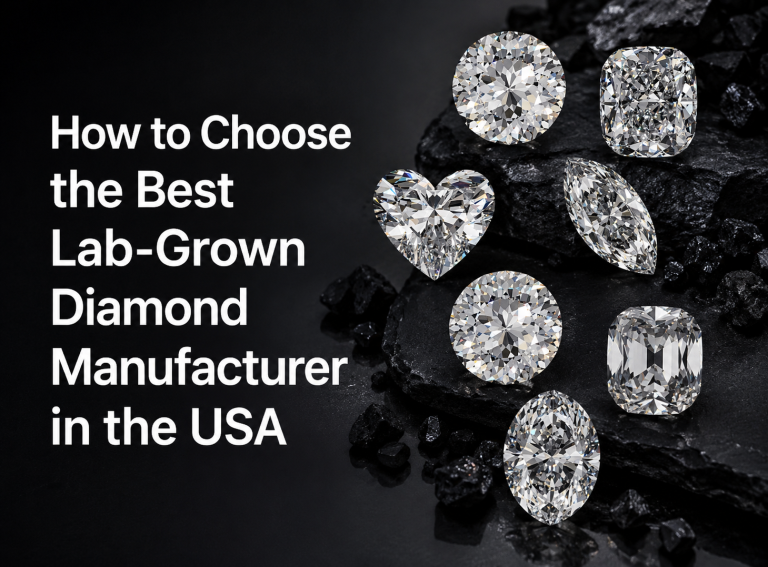
For loose manufactured diamonds to take on the correct shape, cutting is required. However, the word “cut” doesn’t merely apply to shapes like round, oval, heart, pear, etc. Angles, facets, proportions, and finishing all affect the cut’s quality. The lab-grown diamond’s cut determines its performance and brilliance, making it the most crucial element.
How well a loose lab diamond reflects light depends on how well it is cut. A diamond with a superior cut will shine, glitter, and fire more brilliantly. And one of the most challenging aspects to evaluate and grade is cutting. Because it entails things like proportion, symmetry, polish, etc., cutting a diamond to the best quality requires professional workmanship.
Here’s the standard lab-grown diamond cut grade chart to help you choose the best lab-grown diamonds loose:
-
Excellent cut or ideal cut
-
Very good cut
-
Good cut
-
Fair cut
-
Poor cut
Color
Although diamonds appear colourless to the unaided eye, closer inspection reveals various colours. Beginning with D, lab-grown diamond colours are ranked in alphabetical order. D is regarded as the ideal shade for a diamond. The diamond colour begins to turn yellow or brownish as you descend to the letters E, F, G, H, and so forth.
Here is a chart provided by GIA that details the lab-grown diamond grading chart for colors and the corresponding grades.You could follow this chart to select the best color lab-cut diamond.
Clarity
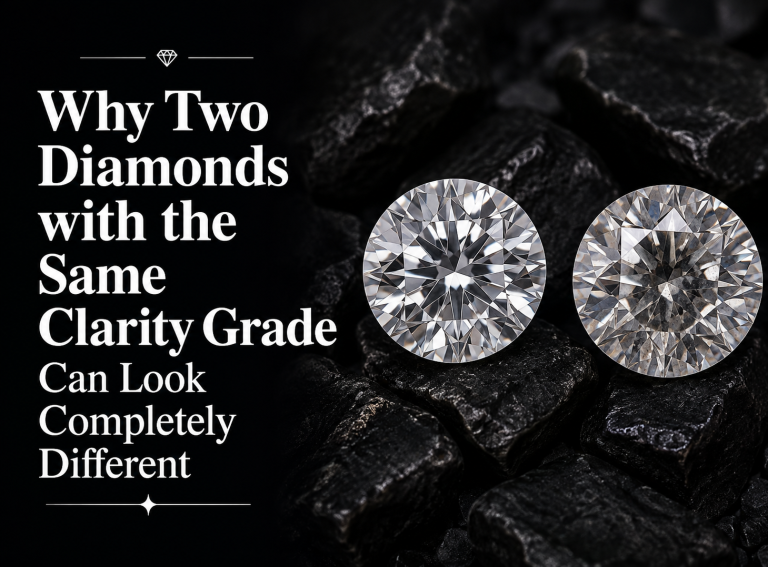
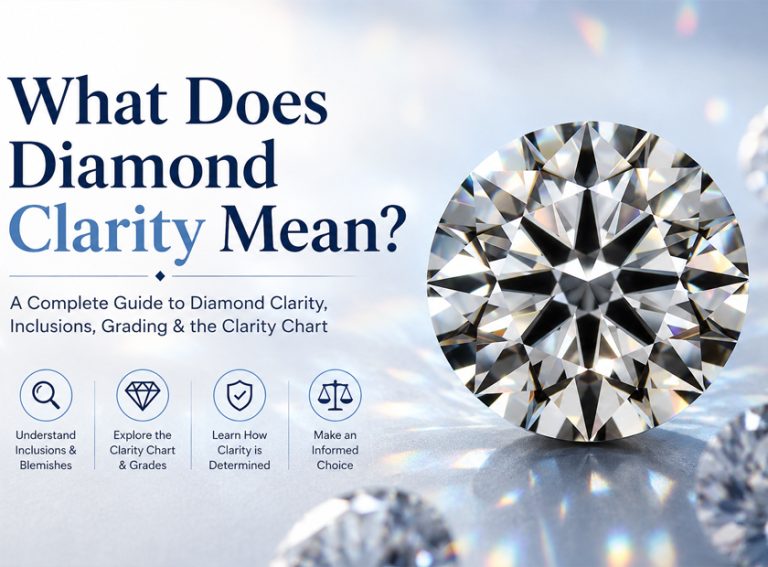
A factor never to be missed when buying loose lab-grown diamonds is clarity. Lab-created diamonds loose undergo processes involving heat, pressure, high temperatures, and chemical reactions. Inclusions (internal characteristics) and blemishes (external characteristics) might result from these procedures.
Lab-grown diamonds’ clarity chart ratings help assess how flawless a diamond is. Grown diamonds with no imperfections or flaws receive excellent clarity ratings. Best clarity for lab-grown diamonds means unblemished diamonds are devoid of flaws. Inclusions and imperfections are graded according to their quantity, size, type, and location. But finding a diamond with flawless clarity—one devoid of any flaws or inclusions—is uncommon. The value of a lab-grown diamond loose increases with the diamond’s clarity.
Carat
Carat weight is another of the lab-grown diamonds quality chart factors you must consider when buying loose lab-created diamonds. A diamond’s weight is measured in carats. Carats weigh 0.200 grammes. 100 points can be used to divide up each carat. Diamonds come in a variety of sizes. Since large diamonds are more uncommon, their carat weight is higher. The value of the diamond rises in tandem with its carat weight. However, the value also depends on the other C parameters. For example, a 1.5-carat lab-grown diamond loose could cost less or more based on the lab-grown diamond quality scale.
Some of the popular synthetic loose diamonds carat weight sizes are: 0.5 carat, 1 carat, 1.5 carat, 2 carat lab diamond, 2.5 carat, 3 carat, 4 carat lab-created diamond, and 5 carat.
In addition to the above factors, remember one important practice to follow when buying loose lab grown diamonds: the diamond grading report. Always buy loose lab grown diamonds from a reputed lab grown diamond manufacturer or retailer. You can be assured of the quality and correct pricing based on the grading certificate that comes with loose diamonds.
Wrap up
One of the most important tasks in making sure you purchase loose lab diamonds fully informed is measuring diamonds. It influences the price and quality of diamonds. In order to help you make educated decisions based on diamond measurements, the next time you’re looking for a diamond, refer to this quick guide.