Green Lab Grown Diamonds: What Makes Them So Stunning and Sought After?


Whether lab grown green diamonds or mined green diamonds, gemstones are available in many colors—yellow, red, blue, pink, and green. Among all fancy colored diamonds, green diamonds are among the rarest and most distinctive, which is why they continue to attract collectors, jewelers, and engagement ring buyers.
But what makes green diamonds green?
Why are green diamonds so valuable and popular?
Should you buy a natural or lab grown green diamond?
This guide answers all those questions in detail, helping buyers make confident, informed decisions.
What are Green Colored Diamonds?
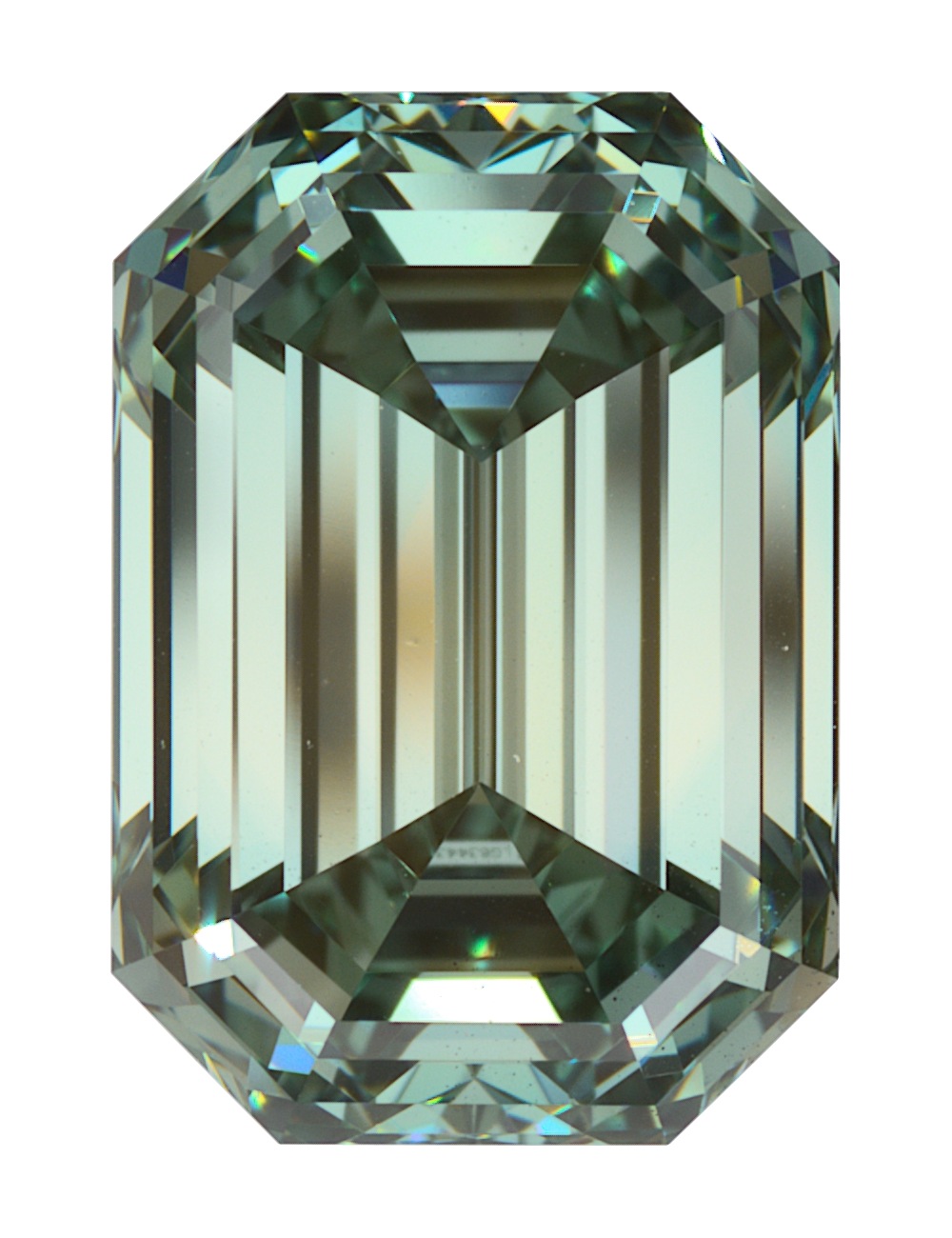
A green lab grown diamond is a fancy colored diamond whose green color results from natural radiation exposure or controlled laboratory processes. Green diamonds are fancy colored diamonds whose body color ranges from light mint to deep forest green.
Key Characteristics of Green Diamonds
- Occur naturally or are created in laboratories
- Display a wide spectrum of hues and intensities
- Are rarer than most other colored diamonds
- Often include secondary color modifiers (yellow or blue)
Shades & Hues of Green Diamonds
According to the Gemological Institute of America (GIA), green diamonds appear in shades such as:
- Faint Green
- Very Light Green
- Light Green
- Fancy Light Green
- Fancy Intense Green
- Fancy Vivid Green
How do Green Diamonds get their Color?
Green diamonds get their color differently depending on whether they are natural (mined) green diamonds or lab grown green diamonds.
How Natural Green Diamonds Form
Natural green diamonds form deep within the Earth and turn green when:
- They are exposed to radioactive elements like uranium or thorium
- Radiation alters the diamond’s atomic structure
- The green color penetrates the diamond’s surface or body
Natural radiation does not make the diamond unsafe to wear.
How Lab Grown Green Diamonds Are Created
Lab grown green diamonds are created using:
- Advanced CVD or HPHT diamond growth methods
- Controlled radiation and heat treatments
- The same scientific principles that affect natural diamonds
This results in a natural green diamond with the same physical, chemical, and optical properties.
Why are Green Diamonds so Sought After?
Green diamonds are prized for symbolism, rarity, and uniqueness.
Green Diamond Symbolism
- Fertility and vitality
- Hope and renewal
- New beginnings and growth
Because of these meanings, green diamonds are a popular choice for:
- Green Diamond Engagement Ring
- Wedding jewelry
- Statement fine jewelry
Rarity & Prestige
Green diamonds are far rarer than yellow or blue diamonds, which increases demand.
Famous Green Diamonds That Increased Popularity
- The Dresden Green (41 carats), displayed in Dresden, Germany for over 200 years
- The Mantis Diamond, the largest vivid yellow-green diamond graded by GIA
- Celebrity influence, including Jennifer Lopez’s green diamond engagement ring
Green diamonds represent one of the rarest fancy colored diamond categories recognized by the GIA.
How to Assess Lab Grown Green Diamonds Before Buying
When buying lab grown green diamonds, evaluating quality is essential.
1. Color Intensity & Saturation
GIA grades green diamonds as
- Faint
- Very Light
- Light
- Fancy Light
- Fancy Intense
- Fancy Vivid
Fancy Intense and Fancy Vivid command significantly higher prices.
2. Secondary Color Modifiers
Most green diamonds include:
- Yellow-green tones
- Blue-green tones
These affect value and visual appeal.
3. Diamond Certification
Always ensure the diamond has:
- GIA Colored Diamond Grading Report
- Verified origin and color treatment details
4. Clarity & Inclusions
- Green diamonds may contain inclusions
- Minor inclusions are acceptable due to rarity
- SI clarity is generally recommended
Related Article :
- SI 1 and SI 2: How Different Are These Clarity Grades
- VS Diamond vs. SI Diamond
5. Cut & Shape Availability
Green diamonds are rarely available in round cuts. Common shapes include:
- Oval
- Cushion
- Radiant
- Pear
- Emerald
6. Polish & Symmetry
- Polish: Good to Excellent
- Symmetry: Good to Excellent
Natural vs Lab Grown Green Diamonds: Which Should You Choose?
Natural Green Diamonds
- Extremely rare
- Exceptionally expensive
- Collector-grade gemstones
Lab Grown Green Diamonds
- Visually and chemically identical
- 40–50% more affordable
- Ethically and environmentally responsible
- Offer better size and quality for the same budget
Related Article : Lab Grown vs. Natural Diamonds
Lab grown green diamonds allow buyers to own a real green diamond at a fraction of the price of mined stones.
Check the below image to understand the different shades of green diamonds and their color grading
Are You Looking to Buy a Green Lab Grown Diamond?
For buyers seeking beauty, rarity, and value, green lab grown diamonds are a thoughtful and practical choice.
They:
- Replicate natural diamond formation scientifically
- Cost significantly less
- Allow access to higher color grades and larger carat sizes
If you want a real green diamond without the extreme price tag, lab grown green diamonds offer the best balance of luxury and value.