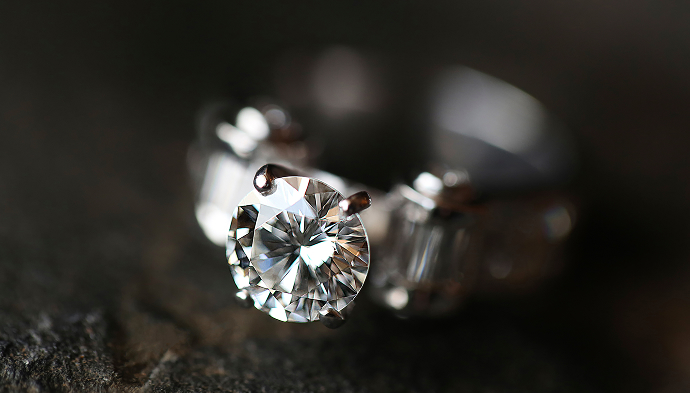
Lab-Grown vs Natural Diamonds: Detailed Comparison & Identification Tips


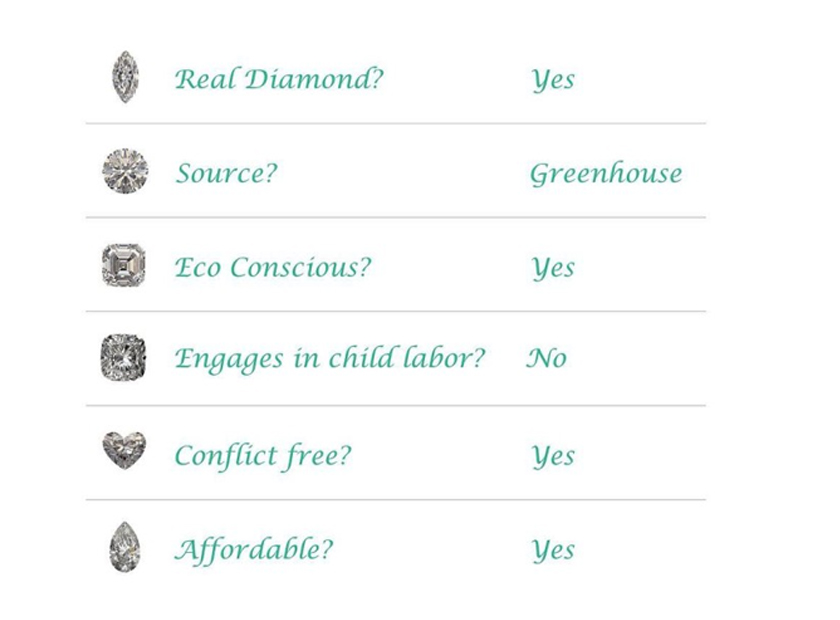
The only real difference between lab grown diamonds and mined diamonds is their origin—one is created in controlled laboratory environments, while the other forms naturally under the Earth’s surface over millions of years.
So, can you tell the difference between a lab grown diamond and a mined diamond just by looking at it?
The short answer: No.
You cannot distinguish between the two using the naked eye alone.
However, there are reliable ways to identify the origin of a diamond, and this guide walks you through each method step by step—so you can make a confident, informed decision.
Can You Visually Identify a Lab Grown Diamond?
No. Lab grown diamonds and mined diamonds are chemically, physically, and optically identical.
- Both are real diamonds
- Both score 10 on the Mohs hardness scale
- Both are graded using the 4Cs (Cut, Color, Clarity, Carat)
This is why professional identification methods are required.
Method 1: Check the Inscription on the Diamond Girdle
What Is a Diamond Girdle Inscription?
A girdle inscription is a microscopic laser marking placed on the outer edge of a diamond by grading laboratories.
How It Helps Identify Diamond Origin
Most lab grown diamonds are inscribed with terms such as:
- Lab-grown
- Lab-created
- Lab-made
- Man-made
- Cultured
- Created
Mined diamonds typically do not carry such origin disclosures.
How to Read the Inscription
- Not visible to the naked eye
- Requires 10x–30x magnification
- Often examined using:
-
- Jeweler’s loupe
- Microscope
- Professional gemological instruments
If a diamond has a visible inscription stating “lab-grown” or similar terminology, its origin is confirmed.
Method 2: Expert Testing by Gemological Laboratories
Some differences can only be detected through advanced gemological testing conducted by experts.
Diamond Fluorescence Testing
Diamond fluorescence refers to the glow a diamond emits under ultraviolet (UV) light.
Key Fluorescence Differences
| Factor | Lab Grown Diamonds | Mined Diamonds |
| Fluorescence strength | Often stronger | Often weaker |
| Glow color under UV | Orange or yellow tones | Blue tones |
| Detection method | Lab equipment | Lab equipment |
These differences are subtle and technical only trained professionals can accurately interpret them.
Important Clarification
Not all man-made stones are diamonds.
- Lab grown diamonds = real diamonds
- Synthetic diamonds or imitation stones ≠ real diamonds
This distinction is critical when evaluating authenticity.
Method 3: Review the Diamond Grading Report (Most Reliable)
Why the Grading Report Matters
A diamond grading report is the most accurate and trustworthy way to determine a diamond’s origin.
What the Report Includes
- Explicit disclosure: Lab-grown or Mined
- 4Cs grading:
-
- Color
- Clarity
- Cut
- Carat weight
- Laser inscription reference (if present)
Trusted Diamond Grading Laboratories
- GIA (Gemological Institute of America)
- IGI (International Gemological Institute)
- GCAL (Gem Certification & Assurance Lab)
All authentic diamonds whether lab grown or mined should come with a grading certificate from a recognized gemological laboratory.
Method 4: Compare the Price Difference
Typical Price Gap
Lab grown diamonds are generally 40–50% less expensive than mined diamonds of similar quality.
How Price Helps Identify Origin
If you’re comparing:
- Same carat weight
- Similar color and clarity
- Identical cut quality
The lower-priced diamond is almost always lab grown.
Why Lab Diamonds Cost Less
- Controlled production
- No mining costs
- Stable supply chain
Quick Checklist: How to Identify a Lab Grown Diamond
? Check for a girdle inscription
? Ask for the diamond grading report
? Verify the grading laboratory
? Compare pricing with similar mined diamonds
? Consult a certified gemologist if unsure
Buying Tip: How to Make an Informed Diamond Decision
Before purchasing a diamond:
- Always request the grading certificate
- Confirm origin disclosure
- Understand your budget vs. value priorities
- Choose reputable retailers or wholesalers
A diamond is a special investment, clarity about its origin ensures confidence in your purchase.
Lab Grown Diamonds vs Mined Diamonds: Identification Comparison Table
| Identification Factor | Lab Grown Diamonds | Mined Diamonds |
| Visual Appearance (Naked Eye) | Identical to mined diamonds | Identical to lab grown diamonds |
| Chemical & Physical Properties | Same as mined diamonds | Same as lab grown diamonds |
| Girdle Inscription | Usually inscribed with terms like lab-grown, lab-created, lab-made | Typically no origin inscription |
| Magnification Required | 10x–30x magnification needed to read inscription | 10x–30x magnification (if inscription exists) |
| Fluorescence Under UV Light | Often stronger; may show orange/yellow tones | Often weaker; typically blue tones |
| Professional Testing Needed | Yes (for fluorescence & growth patterns) | Yes (for confirmation) |
| Diamond Grading Report | Clearly labeled as Lab Grown | Clearly labeled as Natural / Mined |
| Grading Authorities | GIA, IGI, GSI | GIA, IGI, GSI |
| Price (Same 4Cs) | ~40–50% lower | Significantly higher |
| Market Availability | Consistent supply | Limited by mining |
| Investment Consideration | Lower upfront cost | Higher resale perception |
Final Thought
While lab grown and mined diamonds look identical, knowledge is what sets them apart. With the right tools, documentation, and understanding, you can confidently choose the diamond that best fits your values, budget, and expectations.