What Is An IGI Certified Lab-Grown Diamond ?


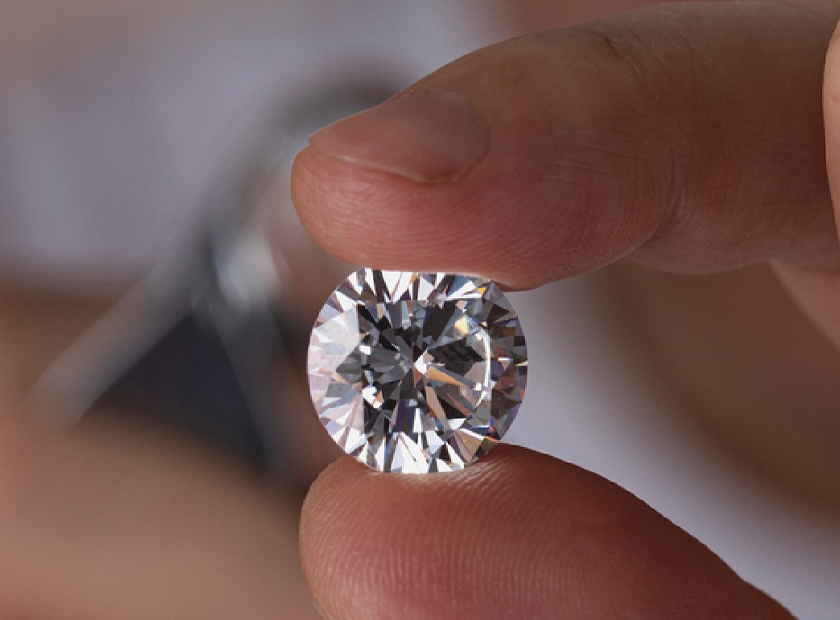
Lab grown diamonds are chemically, optically, and physically identical to natural diamonds. Both diamonds are real. The difference is that lab grown diamonds are made in labs using scientific processes, within just a few weeks, causing no harm to the environment.
However, how can one be sure the lab grown diamond they’re buying is a high-quality, real lab diamond? That’s where diamond grading institutions, such as the International Gemological Institute (IGI) come in.
Founded in 1975 in Antwerp, the IGI is considered one of the best gemological institutes in the world. Its global standard of diamond grading is recognized across the world. It has around 30 labs in 10 countries across the world.
So what exactly is IGI, what does it do, how does it differ from other gemological institutes, and what value do IGI-certified lab grown diamonds hold?
What is an IGI certificate?
An IGI certificate is an official grading report issued by the International Gemological Institute (IGI) that verifies a diamond’s authenticity and evaluates its quality based on the 4Cs—cut, color, clarity, and carat weight.
The International Gemological Institute (IGI) is one of the largest laboratories for testing and grading diamonds and gemstones. The institute, set up in 1975, has centers all across the globe. The laboratory assesses all types of gemstones, including lab created diamonds.
The IGI certificate helps diamond retailers and vendors confirm the authenticity of diamonds. Similarly, the certificate helps customers buy lab diamonds with more confidence.
Are IGI certified diamonds legit?
Yes, IGI certified diamonds—both natural and lab grown—are considered authentic and graded using standardized gemological processes.
Introduction
Are you looking to buy man-made diamonds? If you are, you’d want the best lab grown diamonds available in the market.
And how do you ascertain you have the best?
You look at the diamond grading certificate and that’s where the IGI certificate comes into the picture.
The International Gemological Institute (IGI) is one of the world’s largest laboratories for testing and grading diamonds and gemstones. It assesses and provides reports for lab grown diamonds, natural diamonds, and jewelry.
However, many diamond buyers still ask:
-
What is IGI certification?
-
Is IGI legit for lab grown diamonds?
-
Does IGI certify lab-grown diamonds?
In this guide, we answer all of these questions and explain why IGI certified lab grown diamonds are valuable.
What is IGI Certificate?
The IGI certificate (full form: International Gemological Institute) is a diamond grading report that verifies:
-
Whether a diamond is real or lab grown
-
Its quality based on the 4Cs
-
Its unique characteristics and authenticity
Why IGI Certification Matters
- Builds buyer confidence
- Ensures transparency in pricing
- Helps compare diamonds objectively
- Acts as a proof of authenticity
In simple terms: An IGI certificate is like a diamond’s identity card.
Does IGI Certify Lab Grown Diamonds?
Yes, IGI certifies lab grown diamonds.
In fact, IGI is one of the most widely used certification labs for lab grown diamonds globally.
What IGI Checks in Lab Diamonds
-
Growth method (HPHT or CVD)
-
Diamond type (lab grown vs natural)
-
4Cs grading
-
Laser inscription (if applicable)
This makes IGI certification highly relevant for modern diamond buyers, especially in the lab-grown segment.
How Does IGI Grade Lab Grown Diamonds?
Just like other diamond-grading institutions such as GIA, IGI also grades lab-made diamonds based on the 4Cs of diamond quality.
Diamond grading is a technical and scientific process involving:
-
Advanced gemological tools
-
Microscopic analysis
-
Light performance evaluation
IGI experts evaluate each diamond carefully before issuing a grading report.
The 4Cs of Diamond Grading by IGI
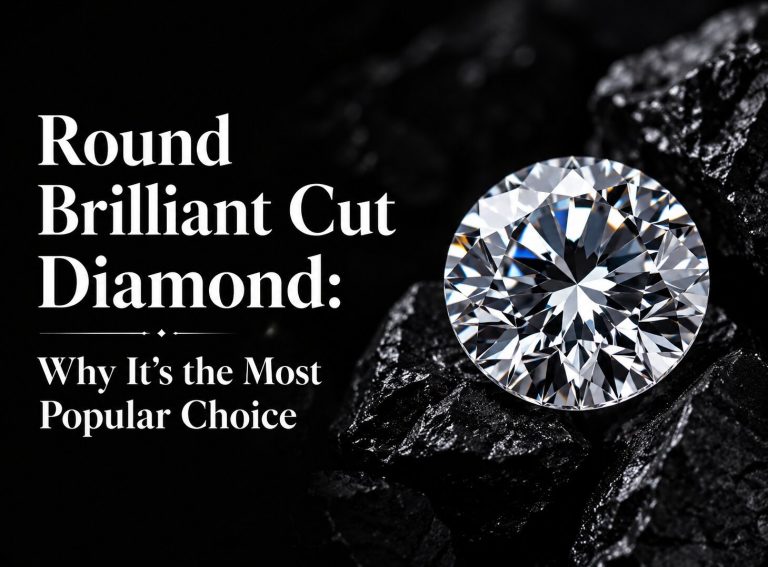
1. Cut (Most Important for Sparkle)
What is diamond cut?
Cut refers to how well a diamond is shaped, proportioned, and finished to reflect light.
Whether lab created diamonds or natural, they have to be cut to achieve the desired shape. But cut doesn’t just refer to shapes like round, princess, cushion, oval, heart, or pear.
Cut refers to:
-
Proportions
-
Symmetry
-
Facets
-
Polish
The cut is one of the most important factors as it directly affects the brilliance and performance of the diamond.
A well-cut diamond reflects light better, resulting in:
-
Higher brilliance
-
Better sparkle
-
Strong fire
Best choice: Ideal or Excellent cut
Quick tip: Even a high-carat diamond can look dull if the cut is poor.
Related Article – Master Cut Diamonds
2. Color
What is diamond color grading?
Color refers to how colorless a diamond appears.
Diamonds may look colorless to the naked eye, but when examined closely, they have subtle shades. IGI grades diamond color alphabetically.
IGI grades diamond color from:
-
D (Colorless – highest grade)
-
To Z (Light yellow/brown tones)
Popular buying range: D–H (near colorless)
Quick tip: Most buyers cannot distinguish between D and G with the naked eye.
Relate Article – Colored Lab-Grown Diamonds
3. Clarity (Inclusions & Blemishes)
What is diamond clarity?
Clarity measures the presence of internal and external imperfections in a diamond.
Lab diamonds go through processes involving heat, pressure, and chemical reactions, which can lead to:
-
Inclusions – internal flaws
-
Blemishes – surface flaws
IGI evaluates clarity based on:
-
Number
-
Size
-
Position
-
Visibility
Flawless diamonds have no visible imperfections under magnification.
Top clarity grades: FL (Flawless), VVS1, VVS2
Also Read – VVS2 vs VVS1 | FLIF Lab Diamonds
Quick tip: VS1–VS2 offers the best balance between quality and price.
Related Article – What is Clarity Enhanced Diamonds
4. Carat Weight (Size vs Value)
What is carat weight?
Carat refers to the weight of the diamond, not its size alone.
-
1 carat = 0.200 grams
-
1 carat = 100 points
Lab created diamonds are available in different sizes and weights.
However, carat weight is not the only factor determining value.
A smaller diamond with better cut, color, and clarity can be more valuable than a larger one.
Quick tip: Focus on overall quality, not just size.
Related Article – Everything You Must Know About Lab Diamond Carats
IGI vs GIA vs GCAL 8X – What’s the difference?
There are three gemological institutes that dominate diamond grading and certification: IGI, the Gemological Institute of America (GIA), and the Gem Certification & Assurance Lab (GCAL). All three are reputed and recognized globally. Let’s look at the difference between the three.
|
IGI |
GIA |
GCAL 8x |
|
|
Founding year |
1975 |
1931 |
2000 |
|
Place |
Belgium |
USA |
USA |
|
Lab grown diamond grading |
Yes, grades 4Cs |
Yes, introduced in 2020 |
Yes, speciality focus |
|
Color grading scale |
D-Z (same as natural) |
D-Z (same as natural) |
D-Z (same as natural) |
|
Clarity grading scale |
FL to I3 |
FL to I3 |
FL to I3 |
|
Cut grade |
Excellent to Poor |
Excellent to Poor |
8X light performance |
|
Light performance report |
No |
No |
|
|
Industry recognition |
Highly recommended for lab grown diamonds |
Highest for natural diamonds |
Growing for premium lab grown diamonds |
How to check an IGI certificate online
Follow these steps to check an IGI certificate:
-
Step 1: Go to IGI’s official website: igi.org/verify
-
Step 2: Enter the IGI report number mentioned on the certificate and laser inscription on the girdle of the diamond.
-
Step 3: Click ‘Verify’. The full certificate will appear.
-
Step 4: Cross check the details with the physical certificate or the information provided by the supplier, seller.
Do IGI lab diamonds hold value?
1. Larger carat weight real diamonds – the real value
One of the best ways that IGI-certified lab grown diamonds demonstrate value is the diamond you get for the price. You can purchase a high-quality lab diamond of 2 carat, VS1, F color grade for the same price you’d pay for a 0.50 carat natural diamond. For B2B retailers, this can mean significant margins, and for customers, an opportunity to buy large real diamonds at less price.
2. Insurance value
For people who want to insure their lab grown diamonds, insurance companies accept IGI certificates for lab diamonds. The IGI certificate provides the required details to insurance companies for verifying the authenticity and details of the diamonds.
3. Resale confidence
Conscious consumers prefer to buy sustainable jewelry and diamonds. Moreover, those who believe in a circular economy prefer to buy resold lab grown diamonds. The IGI certificate provides authenticity and assurance of the diamond being real, along with other details and parameters of the lab grown diamond.
4. Brand trust
Lab grown diamond brands that sell authentic and real lab diamonds certified by repeated gemological institutes, such as IGI, are more trusted. Consumers prefer to buy lab grown diamonds from brands that are known to be trustworthy. This drives repeat business and better brand recognition.
Difference between IGI natural and IGI lab grown diamond reports
Here’s how to distinguish between an IGI natural diamond report and an IGI lab grown diamond report.
|
IGI natural diamond report |
IGI lab grown diamond report |
|
|
Origin |
Mined from the Earth |
Created in laboratory |
|
Report title |
Diamond report |
Lab grown diamond report |
|
4Cs graded |
Yes |
Yes |
|
Origin mentioned |
No |
Clearly mentioned: Laboratory Grown |
|
Growth method mention |
No |
Yes, HPHT or CVD |
|
Laser inscription |
Report number |
Report number and lab grown inscription |
|
Price of diamond |
High |
Competitive, 30 to 50% lower |
How to Read an IGI Diamond Certificate (Buyer Checklist)
When reviewing an IGI report, check:
- Diamond type (Lab grown / Natural)
- 4Cs grading (Cut, Color, Clarity, Carat)
- Measurements and proportions
- Polish & symmetry
- Fluorescence
- Laser inscription number
Pro tip: Always match the certificate number with the diamond inscription.
Are IGI Certified Diamonds Good & Reliable?
Yes, IGI certified diamonds are:
- Authentic
- Scientifically graded
- Globally recognized
When IGI Certification is Most Useful
- Buying lab grown diamonds online
- Comparing multiple diamonds
- Ensuring fair pricing
IGI is considered reliable for lab grown diamonds, which is why many retailers use it.
Buying Guide: How to Choose the Best IGI Certified Lab Grown Diamonds
Step-by-Step Decision Checklist
- Decide your budget
- Prioritize cut over carat
- Choose color range (D–H)
- Select clarity (VS1–VVS2 ideal)
- Verify IGI certificate details
- Compare multiple options
Common Mistakes to Avoid
- Ignoring the certificate
- Focusing only on carat weight
- Not checking cut quality
- Buying without verifying authenticity
Over to You: Ready to Buy Lab Made Diamonds?
IGI is one of the most recognized diamond grading institutions. Its diamond-grading report carries value.
Whether lab grown or natural diamonds, a certificate from IGI can make your diamond buying and selling process:
- Easier
- Faster
- More confident
The next time you shop, always check the IGI certificate before buying.