All You Need To Know About The Diamond Culet


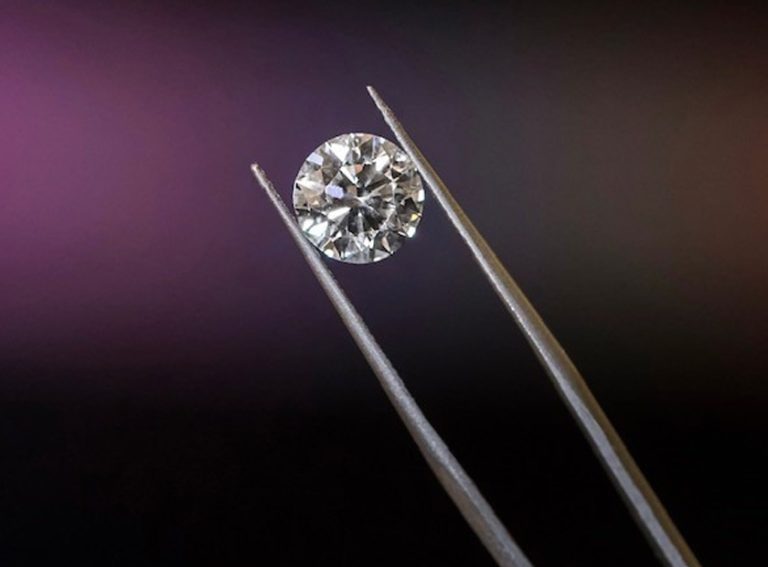
Are you trying to understand your diamonds better? Well, there’s more than meets the eye, if you want to really know your diamonds.
Diamond color, clarity, carat, cut, and brilliance are just a few of the common factors that you might already know about. There are other factors that impact diamond appearance as well as diamond quality. Ever heard of the term diamond culet? That’s what we tell you about, in this blog.
What is the diamond culet?
The culet in a diamond is the bottom tip where the pavilion facets taper into a sharp point. The culet can either be pointed, which is referred to as no culet or a flat surface that is an additional facet to the diamond.
Just as other aspects of diamonds, the culet is also rated to assess the diamond quality. Let’s understand how the culet is graded.
Diamond culet grading scale
Just as different aspects of diamonds have a different grading scale, for example, diamond color grading, there’s a grading scale for the culet, too. The culet is graded according to its size. The Gemological Institute of America (GIA) uses eight grades to rate culet. The face-top view of the diamond shows the culet size.
Look at this image to see the diamond culet grading scale.
The diamond culet range is as follows:
- None: no culet, extremely pointed bottom.
- Very small: less than 1.5% of its average diameter
- Small: around 1.5% of its average diameter
- Medium: around 3% of its average diameter
- Slightly large: approximately 5% of its average diameter
- Large: approximately 7% of its average diameter
- Very large: approximately 11% of its average diameter
- Extremely large: 15% or more of its average diameter
The diamond culet is measured by a non-contact optical measuring device or a gemological microscope. The culet size can also be written as a percentage. It can be measured by this formula:
Culet size % = culet size (mm) / Average girdle diameter x 100
How does the culet affect the diamond?
Gem experts have debated whether or not diamonds require the culet. So let’s understand the functions of the diamond culet and how it impacts the diamond.
- The main function of the culet is to protect the diamond. Even though diamonds are one of the hardest materials, they could break. The culet can protect diamonds from breaking.
- The culet impacts the diamond’s light performance, and hence, appearance. When the culets are large, they are visible as dark circles through the table. This allows light to pass through the bottom of the diamond, and affects the diamond’s brilliance and sparkle. It can also impact the diamond color.
Should you choose diamonds with a culet or without?
The diamond culet affects the diamond quality. For example, it can impact the way the diamond appears or its durability. Let’s understand if you should buy diamonds without the culets or with, and why.
- Many experts prefer diamonds without a culet. However, this means the bottom most part of the diamond would be extremely pointed and hence, can break easily. For example, it can break while mounting it in a piece of jewelry.
- If you want diamonds with a culet, it is best to buy diamonds with very small or small grade culets, as these are better than large culets. Large culets impact the appearance of the diamond and can look like dark circles.
- The size of the culet can also be decided based on the design of the jewelry and how the light might impact the performance of the culet on the diamond. The size of the culet will also depend on the carat size of diamonds you choose.
- You should consider the culet when you buy a diamond. Always look at the diamond certificate to assess the different aspects of diamonds.
Over to you
The next time you shop for gemstones—whether lab grown diamonds or natural ones, you’ll know of one more important factor to consider when buying diamonds—the diamond culet.
The most important benefit of the culet is that it protects the diamond. However, a large culet can have a negative impact on the appearance and performance of the diamond. Hence, you must pick a diamond with the perfect size culet.
Seek help from diamond experts to understand more about diamond culet before you make a purchase.