How to Choose Your Lab Diamond Shape?


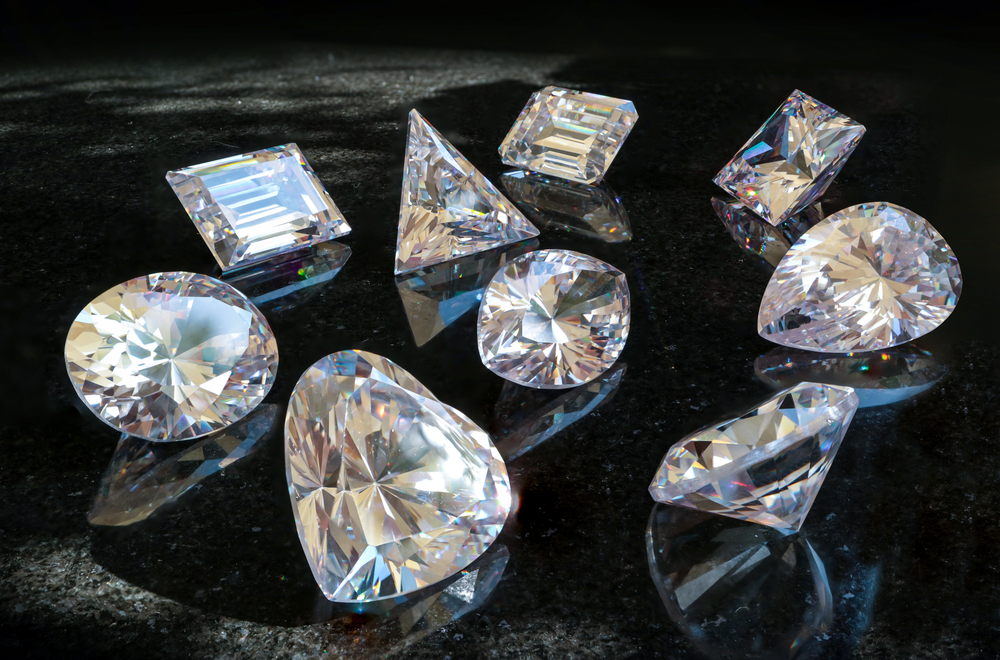
Choosing the shape of a diamond can get tricky if you aren’t already sure about the design that you are looking for. There are several factors that should be considered when selecting the shape of a diamond.
Other than the piece of jewelry that you’re looking for a lab diamond for, considering physical factors is important. Why? Because of a lab diamond’s brilliance, fire, and sparkle. Understanding all these elements will help you buy a diamond of the shape that is most suitable to your requirements. We hope this article will make your decision-making process easier.
Some factors that can influence your choice of a lab diamond shape
Appearance and size
The shape of a lab diamond can make it appear larger or smaller, in certain cases. Sometimes diamonds are positioned with their table facing upward. For shapes such as emerald or asscher, it means they may not look as large as other diamonds with the same carat weight. Expert jewelers suggest that in order to maximize size relating to carat weight, one should choose princess and marquise-cut lab diamonds.
The price factor
Certain shapes of lab-created diamonds are more affordable than others. Fancy diamond cuts such as oval and emerald are more affordable compared to the most popular – round-shaped diamond. The reason: is that less of the diamond is likely to be wasted if cut into a fancy shape. This allows a larger carat weight in the finished stone. Shapes such as heart and pear can be selected in order to remove significant inclusions from the rough diamond. In this way, less of the rough diamond is wasted.
Personal taste
One may consider factors such as affordability, size, and appearance, but one should always choose the shape that one likes and the one that matches their personality. Buying a diamond is an investment, and one should be sure that s/he is going to like it and wear it. So you might not want to disregard a certain shape just to save some cash.
All about the different shapes of diamonds
Round Shaped Diamond
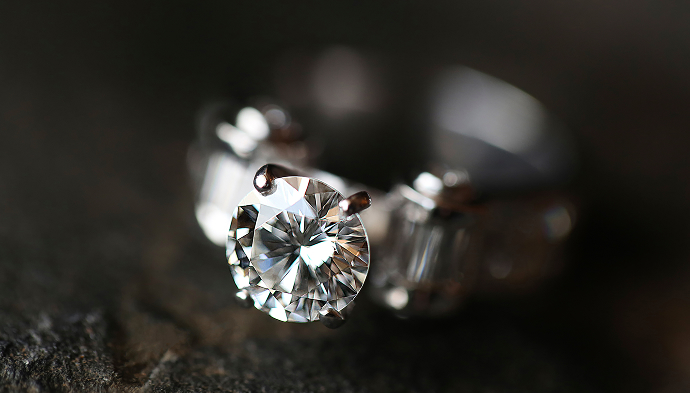
Research shows that round diamonds are the most popular, with over 75% of diamonds sold being round. Round diamonds are also the most versatile and multipurpose. Their timeless look allows them to be used in modern and contemporary designs. What more? Round diamonds are the sparkliest too.
They are also called RBC (round brilliant cut) because of their popularity. Created by Marcel Tolkowsky in 1919, round diamonds have 58 facets, which cause light to bounce from the bottom of the diamond back through the top, giving it an unbelievable sparkle. Their symmetrical cut and exquisite brilliance complement almost any jewelry design.
Princess Shaped Diamond
The princess shape – a square – was invented in 1961 in London. It is the second most popular shape after the round. This shape has intricate facets – anywhere between 49 and 144. What does that mean? More facets mean more sparkle from the pointed corners. The additional facets also mean that fewer flaws are noticeable in this shape. Princess-cut diamonds are also one of the least expensive diamond shapes to create.
Emerald Shaped Diamond
Experts call this the shape of glamour. The emerald-shape diamond – a rectangular shape with long, lean facets extending down the sides – was created in the Art Deco period. It is also called a step cut because of the cut corners that resemble stair steps. It was the most popular shape in the 1920s. This shape lacks brilliance. The flat part on top shows off the diamond’s clarity better than any other shape. Although it lacks brilliance, it appears elegant.
Asscher Shaped Diamond
The asscher-shaped diamond is almost identical to the emerald-cut diamond. The only difference is that his shape is square. This shape, too has an Art Deco vibe to it, reminding me of the 1920s. Among the peculiar characteristics of this shape are clipped corners, a chunky profile, and stepped sides. The Asscher brothers of Amsterdam created this shape in 1902. This shape is quite popular among people who like things with an antique and vintage vibe.
Marquise Shaped Diamond
This cut, invented in the 18th century during the reign of Louis XIV, is supposedly named after his mistress, the Marquise de Pompadour. It is said to be inspired by her smile. This marquise shaped diamond is an oval with rounded sides and points at the end. Due to its elongated shape, this cut ends up appearing larger than its actual size. It makes for a good choice for those who are looking to maximize carat weight.
Oval Shaped Diamond
Just like round diamonds, oval diamonds too have remarkable brilliance. It is even, symmetrical, and looks elegant. Its elongated shape makes fingers look slender when worn as a finger ring. This is a suitable shape for those who do not want to go for the usual round and are not sure about shapes too dramatic like the marquise.
Pear Shaped Diamond
The pear-shape diamond resembles a teardrop. It appears like a mix of the marquise and the oval and can be elongated or made fatter depending on one’s preference. This shape is quite popular for engagement rings.
Cushion Shaped Diamond
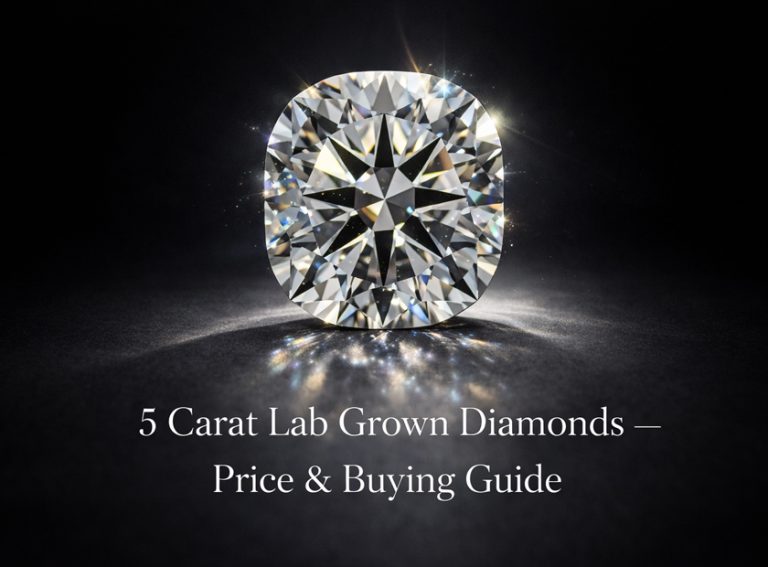
Also known as pillow-cuts due to their cushion-like shape, cushion shaped diamonds are known to have flawless brilliance and clarity in appearance. These qualities are attributed to their rounded corners and larger facets. This shape can be found in variations of square or rectangle.
Radiant Shaped Diamond
The radiant shape is a square with rounded corners. This shape has an extra sparkle because of the way its underside is cut, with 70 facets. It maximizes the effect of its color refraction. The radiant-shape diamond is not as common as the other shapes and is mostly used for finger rings and earrings.
Heart Shaped Diamond
The heart-shaped diamonds just like the pear-shaped diamonds, can be elongated or fatter depending on the skill and precision of the diamond cutter. The shape can make it difficult to examine flaws, so buyers should examine it more carefully before purchasing.
Hopefully, by now you’ve decided the shape of the diamond that you prefer to buy. Now that you know the different shapes and their characteristics, you could have a collection of different shapes too.