How Diamond Retailers Can Diversify Their Inventory With Lab Grown Diamonds


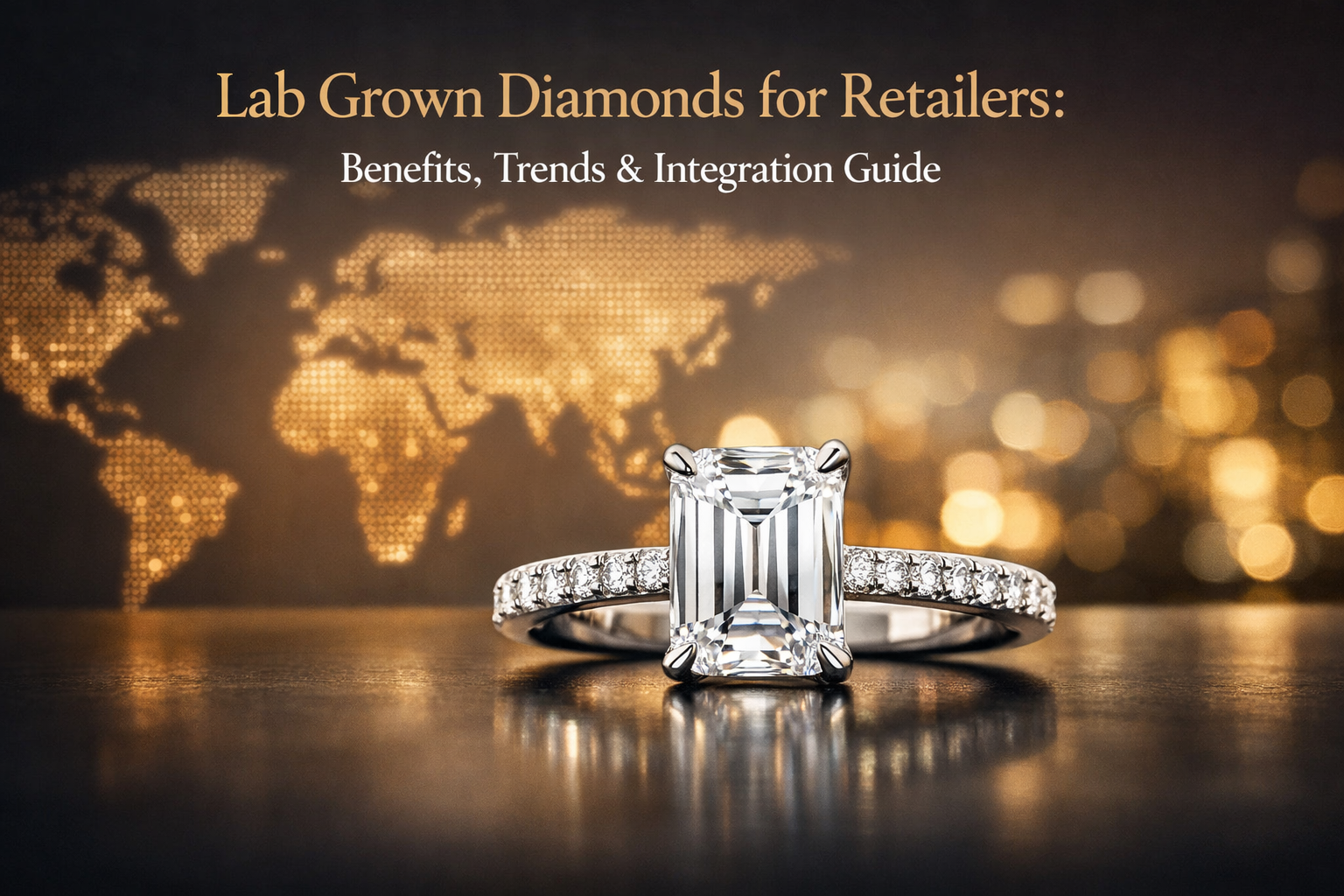
Lab grown diamonds have become a key part of the modern jewelry industry, and diamond retailers are rapidly utilizing this opportunity. By including lab diamonds along with mined diamonds, retailers can cater to evolving customer preferences, offer customization, and meet the growing demand for affordable, ethical diamond jewelry.
If you’re a diamond retailer wondering how to include lab grown diamonds and lab diamond jewelry in your inventory, this guide explains why it’s beneficial and how to get started.
The rise of lab grown diamonds in retail
The lab grown diamond market share has been consistently increasing. It is projected to reach $28.27 billion in 2025, with a CAGR of 10.1%. While the USA remains the largest market, countries like Canada, Germany, and India are also experiencing strong growth in both consumer and retailer adoption.

(Source : https://www.researchandmarkets.com/reports/5948682/lab-grown-diamonds-market-report)
Why Lab Grown Diamonds Are Rising in Popularity
Here are the key reasons behind the global rise of lab made diamonds:
1. Affordability (30–50% cheaper)
Lab diamonds remain one of the most budget-friendly alternatives to mined diamonds, costing 30–50% less, while matching their quality and appearance.
2. Better accessibility
With large-scale production and consistent supply, lab grown diamonds are accessible to a wide range of customers. Retailers globally are promoting lab diamonds due to predictable demand and reliable inventory availability.
3. Product diversification
Initially popular only for engagement rings and wedding jewelry, lab diamonds are now used in:
-
Necklaces
-
Tennis bracelets
-
Earrings
-
Luxury everyday jewelry
Retailers are diversifying their collections and meeting demand for trendy, modern, and customizable pieces.
4. Improved production quality
Earlier, lab diamonds were just 10% cheaper than mined diamonds. But due to technological advancements, both the production capacity and quality have improved significantly—leading to lower prices and more customer appeal.
How Adding Lab Grown Diamonds Benefits Diamond Retailers

1. Expands customer base
Lab grown diamonds are suitable for multiple customer segments because they offer:
-
30–50% lower prices
-
Identical quality to mined diamonds
-
Better accessibility
This helps retailers attract:
-
Price-conscious buyers
-
Young shoppers
-
First-time diamond customers
-
Trend-focused millennials and Gen Z buyers
2. Higher profit margins
Lab diamonds can be manufactured on demand, in bulk, and in large quantities. Their reliable production reduces wholesale costs, enabling retailers to enjoy higher margins compared to mined diamonds. This directly boosts brand profitability.
3. Lab diamonds have an ethical appeal
Many conscious consumers prefer to buy ethical and sustainable products, may it be clothing or diamonds. Lab diamonds appeal to these consumer segments, which mostly include Gen Z and millennials. Lab diamonds are conflict-free, ethically produced, traceable, and sustainable. Diamond retailers can meet ethical and sustainability requirements of consumers.
4. Inventory flexibility
Lab diamonds enable full customization, letting retailers stock unique pieces with:
-
Various sizes
-
High-quality cuts
-
Custom colors
-
Special shapes
-
Trend-driven styles
This also reduces supply chain risks and increases reliability
5. Strong position for growth
Lab grown diamonds are globally recognized, modern, and increasingly popular. Retailers offering lab diamonds can build a progressive brand image, stay competitive, and position themselves as leaders in the evolving diamond market.
6. Diversified revenue stream
Offering both mined and man made diamonds helps retailers reach a wider customer base. This diversifies revenue and creates a resilient business model that adapts to changing market demand.
Market Trends: Where Lab Grown Diamonds Are Heading (2025–2030)
The global lab grown diamond industry is expected to continue its strong upward trajectory through 2030. Demand is rising across bridal jewelry, everyday fine jewelry, and luxury gifting, driven by younger consumers and expanding retailer participation.

(Source – https://www.maximizemarketresearch.com/market-report/lab-grown-diamonds-market/193972/)
Key trends shaping the market from 2025 to 2030 include:
-
Steady price stabilization: As production technology matures, lab diamond pricing is expected to stabilize, making them even more attractive to retailers and customers.
-
Higher adoption in bridal segments: Gen Z and millennial couples increasingly choose lab diamonds due to affordability and sustainability.
-
Growth in international markets: Beyond the USA, countries like India, Canada, Germany, the UK, and the UAE are experiencing rapid increases in retail adoption.
-
Rise of branded lab diamond collections: Many jewelry brands are launching dedicated lab grown diamond lines to meet customer demand for modern, ethical alternatives.
-
Tech-driven personalization: Advancements in CVD and HPHT processes are enabling more unique shapes, larger sizes, and premium-quality diamonds.
Overall, the 2025–2030 outlook indicates that lab grown diamonds will continue moving from a niche alternative to a mainstream retail category.
How Retailers Can Integrate Lab Diamonds Operationally
Integrating lab grown diamonds into an existing retail setup is straightforward when approached systematically. Here’s a practical roadmap retailers can follow:
-
Partner with a trusted supplier: Choose a reliable lab grown diamond manufacturer that provides certified stones, consistent supply, and transparent pricing.
-
Train sales teams: Ensure staff can confidently explain what lab diamonds are, how they are made, and how they compare to mined diamonds.
-
Update product listings: Add clear descriptions, certification details, and distinguishing features across your website, catalog, and in-store tags.
-
Introduce lab diamond–only collections: Start with popular categories like engagement rings, pendants, stud earrings, and tennis jewelry.
-
Offer customization: Provide shape, color, size, and setting customization to meet demand for personalized jewelry.
-
Adjust pricing strategies: Use competitive or value-based pricing to highlight affordability without compromising perceived luxury.
-
Promote lab diamonds through marketing: Highlight affordability, ethical appeal, and quality across social media, ads, and store displays.
This structured approach ensures smooth integration and stronger customer confidence.
Certifications & Quality Checks Retailers Should Know
Just like mined diamonds, lab grown diamonds must meet strict quality standards. Retailers should focus on the following certifications and grading reports:
-
IGI (International Gemological Institute) – One of the most widely recognized for lab grown diamonds, offering complete 4Cs grading.
-
GIA (Gemological Institute of America) – Provides grading reports for lab diamonds, including color, clarity, and cut.
-
GCAL (Gem Certification & Assurance Lab) – Known for high precision and unique “Certificate of Assurance.”
-
SGL (Solitaire Gemological Laboratories) – Provides grading and laser inscriptions favored in international retail markets.
Quality checks to prioritize include:
-
4Cs evaluation (cut, color, clarity, and carat)
-
Laser inscriptions for authenticity
-
Origin reports that confirm the diamond is lab grown
-
Consistency in batches to maintain uniformity for inventory planning
Understanding certifications helps retailers communicate transparency and build customer trust.
Types of Lab Grown Diamond Jewelry Retailers Can Offer
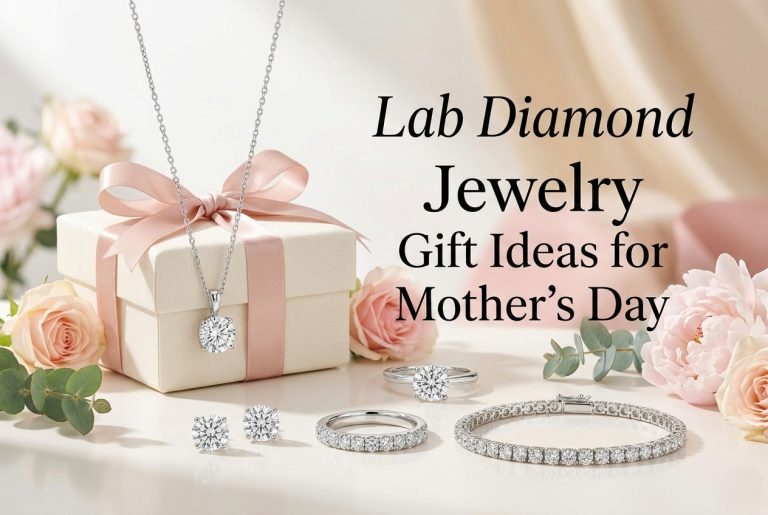
Lab grown diamonds give retailers the flexibility to offer diverse jewelry designs that appeal to both traditional and modern customers. Popular categories include:
-
Engagement rings and bridal sets – The largest driver of lab diamond demand.
-
Everyday fine jewelry – Including pendants, studs, bracelets, and stackable rings.
-
Tennis bracelets and necklaces – High-clarity, uniform stones are easier to source in lab grown form.
-
Men’s jewelry – Cufflinks, bands, and fashion accessories featuring lab diamonds.
-
Custom and personalized jewelry – Made-to-order designs, special shapes, and unique pieces.
-
Designer and fashion-forward pieces – For brands that want to experiment with trends without high sourcing costs.
Offering a broad variety of lab grown diamond jewelry ensures retailers can meet different customer preferences and expand their market reach.
Wrapping up
For many consumers and retailers, lab diamonds are different from mined diamonds and they prefer not to mix them. However, lab grown diamonds are as real as mined diamonds, and diamond retailers are adding them in their inventory.
Adding lab diamonds in the inventory provides more options to customers, retailers get higher margins, and more opportunities to experiment with diamond collections, styles, etc.
If you’re a diamond retailer or a wholesaler looking to add lab grown diamonds in your inventory, Grown Diamond Corporation can be your one-stop-shop for lab grown diamonds and lab diamond jewelry.