Factors Beyond The 4Cs That Influence Lab-Grown Diamond Grading


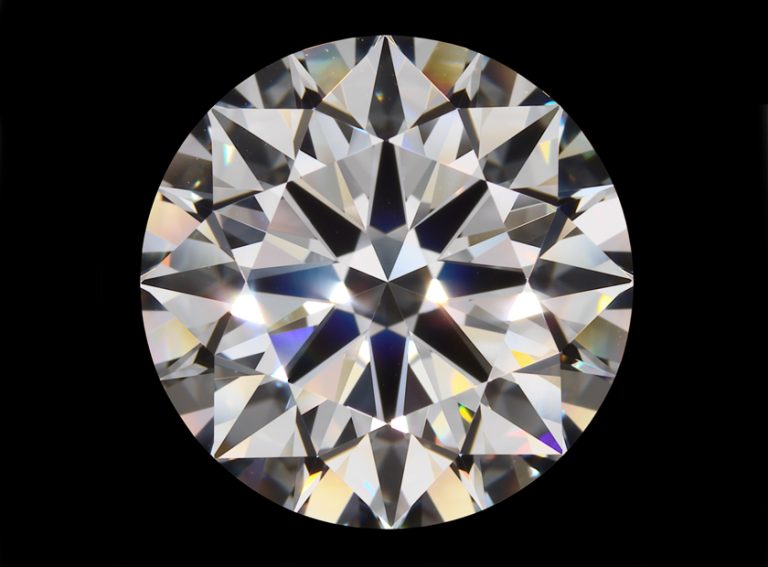
We’ve discussed at length the impact of the 4Cs of diamonds on the value of lab-grown diamonds. Diamond connoisseurs are well aware of the 4Cs. However, there are many aspects of lab-created diamonds that are considered while grading them and impact their value. In this blog, we explore those other factors that are influential in lab-grown diamond grading. If you’re looking for the best lab-grown diamonds, this guide will be handy.
1. Transparency
Transparency in lab diamonds is determined by two key factors: the absence of imperfections, and the ability of the diamond to transmit light perfectly. Additionally, elements like fluorescence, inclusions, and crystal growth irregularities can also impact transparency. When grading lab-grown diamonds, all these factors must be considered.
2. Hue and Tone
Other factors apart from the 4 Cs of diamonds are hue and tone. Both hue and tone are related to diamond color. Hue is the color in the diamond, while tone is how intense the color is. People looking for the best lab-grown diamonds often avoid diamonds with brownish and grayish hues and tones. Thus, these two aspects are examined while grading lab-grown colored diamonds.
3. Inclusions
Inclusions have a lot of influence on a lab grown diamond’s appearance and hence, its grading as well. Inclusions can be dark or white. Inclusions impact diamond’s clarity and brilliance. However, it depends on the location of the inclusions, for instance, white inclusions that are placed in locations that do not affect the diamond’s performance. Flawless diamonds do not have inclusions.
4. Optical Purity
Some elements of lab grown diamonds influence how light interacts with the stone and its brilliance. The optical purity of lab made diamonds is impacted by graining or irregularities. These factors also affect the quality, performance, aesthetics, and pricing of diamonds.
5. Polish
Rough lab-grown diamonds have to be polished for smoothness and good performance. Polishing gives diamonds smoothness and symmetry. Polish and symmetry of diamonds go hand in hand and affect the diamond grading. Whether you’re looking for one or 3 carat lab grown diamonds, you must examine the polish quality.
6. Fluorescence and Its Impact
Approximately 30% of all diamonds fluoresce. Fluorescence is considered a defect as it impacts diamonds’ performance in a negative manner. The fluorescence of lab grown diamonds can vary based on the growth process. Lab diamonds with more fluorescence could appear hazy and hence, affect its grading and pricing.
7. Method of Growing Lab Diamonds: HPHT vs. CVD
Lab grown diamonds are created using two methods — High Pressure High Temperature (HPHT) and Chemical Vapor Deposition (CVD). Both methods lend slightly different characteristics to the diamonds. For instance, HPHT diamonds often contain metallic inclusions that could affect diamond grading. CVD diamonds often cause growth lines or irregularities, impacting its grading. Other factors that these methods influence are the diamond’s crystal structure, inclusions, and overall appearance.
8. Graining on Surface
At times, during the polishing process or bad handling of lab grown diamonds, the diamonds could get grainy on the surface. Although they may be invisible to the naked eye, these grainy patches may affect the grading of the diamonds. This may affect the overall quality and pricing of lab created diamonds.
9. Color Zoning in Lab-Grown Diamonds
At times, lab grown diamonds could have variations in color within the diamonds. This can be a result of the process of growing diamonds in laboratories. Flawless diamonds do not have color variations. Color zoning can impact the diamond’s grading, appearance, and pricing. The best lab grown diamonds do not have color zoning. This is specially a key factor for lab grown colored diamonds.
10. Internal Strain Patterns
Lab created diamonds may also have internal strain patterns. These occur due to the growth process. For instance, patterns that are visible under light or the way light passes through the lab diamonds are all factors that affect the grading of the diamonds apart from the 4 Cs of the diamonds.
Summing Up
If you’re looking for the best lab grown diamonds near you, a quick search on the internet will provide hundreds of options of lab grown diamond manufacturers. However, it is advisable to buy lab created diamonds only from reputable brands such as Grown Diamond Corporation. To add the best lab grown diamonds to your collection, explore Grown Diamond Corporation.