How Are Lab-Grown Synthetic Diamonds Made?
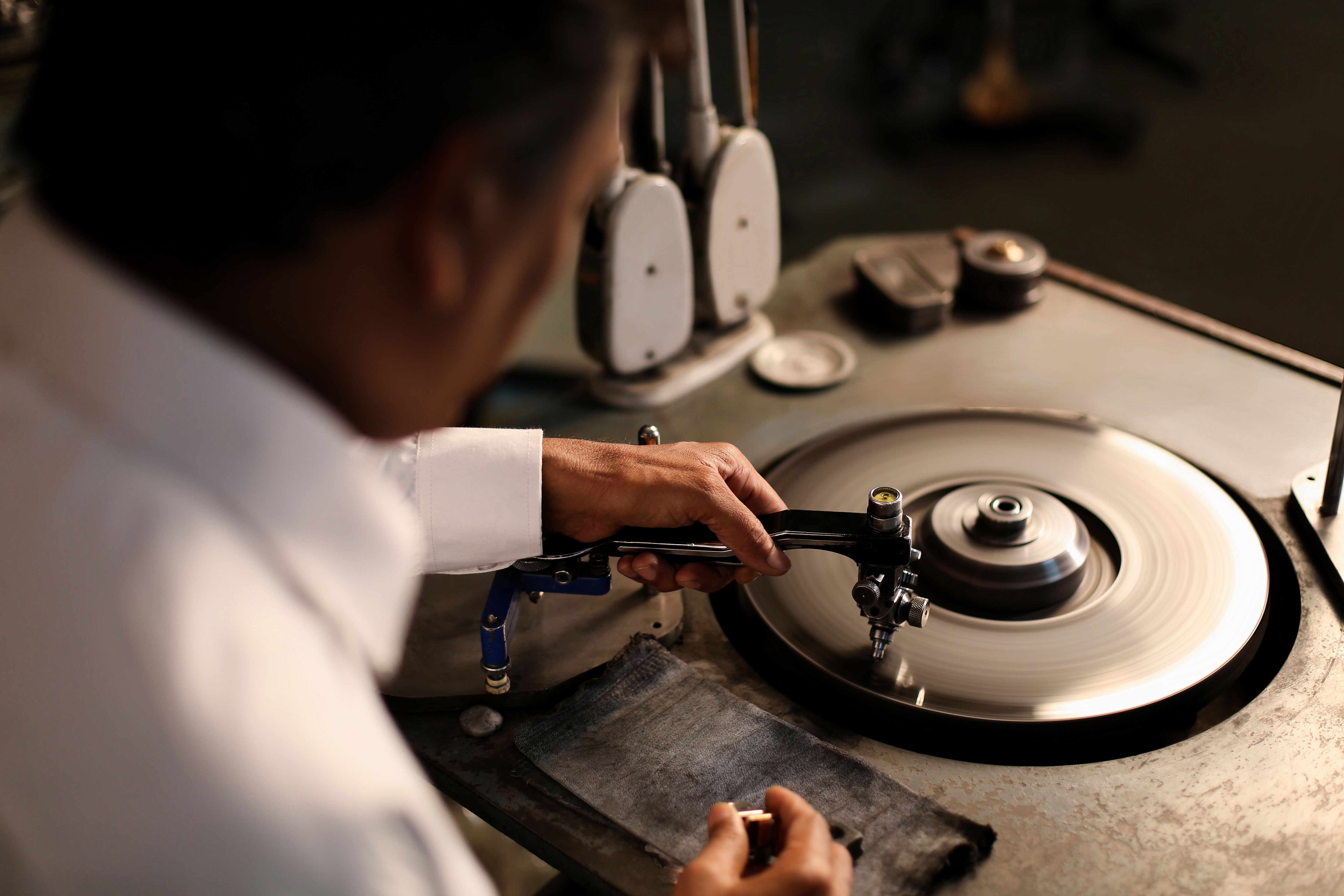

Diamonds are made from highly organized carbon. Natural diamonds take around 1 billion to 3 billion years to form. How are lab-grown diamonds made? Lab-grown diamonds are created by applying heat and pressure to a diamond seed. This chamber replicates the conditions that are present inside the earth’s surface. The diamonds take around six to eight weeks to form. The diamonds are then cut, polished, and graded. It is virtually impossible for the naked eye to tell the difference between diamonds made in the lab and mined diamonds . They are a revolution in the diamond industry. Lab-Created Diamonds have many advantages over mined diamonds.
However, man made diamonds are often called by different terms, used interchangeably. For instance, lab-grown and lab-created often refer to the fact that these are manufactured in laboratories. And synthetic diamonds is a much broader term. While lab grown or lab created diamonds are real diamonds with similar properties as mined diamonds, synthetic diamonds could mean fake or imitation diamonds.
People often search online to understand how lab grown diamonds are made. That’s because they want to know about the authenticity of the diamonds. Whether they can confidently buy lab grown diamonds with trust. And how ethically the lab created diamonds are made.
What are lab grown synthetic diamonds?
Lab grown synthetic diamonds are real diamonds man made in controlled laboratory environments. Unlike mined diamonds that grow under the Earth and take millions of years, lab diamonds are created by scientifically replicating the natural process in laboratories. Growing lab diamonds takes only a few weeks to months.
Lab grown synthetic diamonds can be made using two processes -
Lab diamonds have the same chemical, physical, and optical properties as mined diamonds. However, lab diamonds are 30 to 50% more affordable than mined diamonds.
The Two Methods Used to Make Lab Diamonds
Chemical Vapour Deposition (CVD):
The CVD process is how lab diamonds are made to create gem-quality diamonds. The CVD process uses ultra-pure, rich carbon gases in a controlled environment or chamber. Some microwave lab grown diamonds are mentioned below: -
- Low-pressure CVD (LPCVD)
- Ultrahigh vacuum CVD (UHVCVD)
- Plasma-enhanced chemical vapour deposition (PECVD)
- Microwave Plasma Vapour Deposition (MPCVD)
CVD Process – Step-by-Step
- The CVD lab diamond making process involves placing a diamond seed in the growth chamber.
- This chamber is then filled with carbon-rich gases, such as methane and hydrogen.
- The next step involves introducing heat in the chamber, which leads to the process of ionization and breaking of molecular bonds.
- Next, the carbon atoms deposit onto the diamond seed, forming a lab grown diamond.
High Pressure High Temperature (HPHT):
In HPHT, the machines have the ability to build up a pressure of almost 60,000 atmospheres and a temperature of 2,500°C. It contains all the elements that are needed to grow a diamond. It includes a tiny diamond seed, highly refined graphite, and a catalyst mixture containing metals and powders. The catalyst inside reacts with added heat and pressure, resulting in a molten form. Pressure created diamonds cause the graphite (carbon) to dissolve. After this the cooling process takes place. It requires a controlled environment to produce a gem-quality diamond.
HPHT Process – Step-by-Step
- The HPHT lab diamond making process starts with the placement of a diamond seed in a growth chamber.
- The seed is then put through high temperatures and high pressure.
- These conditions are similar to those under the Earth.
- The carbon in the chamber melts and forms a diamond around the seed.
- As the carbon begins to cool, it settles layer by layer and forms a larger diamond.
Diamond Press Technologies Used in HPHT
This technique uses many pistons that provide pressure from many different directions. How are lab diamonds created? This process ensures high-quality diamonds that mirror their natural counterparts.
The Cubic Press:
- It distributes pressure uniformly across six faces
- It minimizes pressure gradients
- The carbon atoms have a more stable and consistent growth environment
- The result is diamonds with fewer internal inclusions
-
Belt Press
The Belt Press uses two opposing anvils to apply pressure from the top and bottom. The Cubic Press applies force simultaneously from all six directions.
The BARS Press is more precise than the Belt Press. It involves a split-sphere mechanism that applies pressure through fewer contact points.
HPHT vs CVD: Differences
|
Feature
|
HPHT
|
CVD
|
|
Process
|
Mimics natural diamond formation process including pressure and temperature
|
Chemical process in growth chamber
|
|
Growth time
|
Faster growth cycles
|
Slower growth
|
|
Applications and usage
|
Premium quality hence useful for jewelry, fashion, engagement and wedding rings
|
Useful for regular wear jewelry, industrial usage
|
|
Post-growth treatment
|
Requires less to no treatment
|
Requires treatment to remove brown tint
|
|
Size capability
|
Efficiently produces larger stones (3+ carats) with consistent quality
|
More challenging and expensive to produce larger sizes
|
|
Cost
|
Cost effective for producing high-quality diamonds at scale
|
Higher production costs, especially for larger stones
|
Related Blog : What is The Difference Between Lab Diamond HPHT And CVD Diamonds
How long does it take to grow a lab diamond?
While natural diamonds take billions of years to grow under the surface of the Earth, lab grown diamonds grow within a few weeks in laboratories. Advanced science has found ways to replicate the process that forms diamonds under the Earth, in laboratories, using machines and equipment designed to grow diamonds.
The exact time required to create each diamond depends on various factors, such as the method used (HPHT or CVD), the size or carat weight of the diamond, and the quality of the diamond seed, among other factors. While HPHT diamonds grow within three to four weeks, CVD diamonds take longer to grow.
Lab grown diamonds vs. natural diamonds: Formation comparison
|
Natural diamond formation
|
Lab grown diamond formation
|
|
Takes billions of years to form.
|
It takes three to four weeks.
|
|
The diamonds form 100 miles or more under the surface of the Earth.
|
Laboratories use either the HPHT method or the CVD method.
|
|
The diamonds are carried to the surface of the Earth due to volcanic activities.
|
A tiny diamond seed crystal is placed inside a diamond-growing chamber.
|
|
Most diamonds near the Earth’s surface have been mined and hence, new natural diamonds are rare.
|
The environment and process is controlled. High temperature and high pressure are created inside the chamber.
|
|
It is hard to trace mined diamonds, where they come from, whether they are blood diamonds or ethical diamonds.
|
Tracing lab grown diamonds is easy because each diamond comes with a certificate stating its origin, lab details, method used, etc.
|
|
Mined diamonds are graded by the GIA, IGI, among other institutions.
|
Lab grown diamonds are also graded by the same institutions using the same methods and parameters.
|
The environmental impact of lab created diamonds
HPHT and CVD diamonds consume large amounts of energy because they require high temperature and pressure. The energy consumed also depends on the laboratory where the diamond is produced.
-
Devoid of negative impact of mining
Lab grown diamonds do not have the kind of negative impact that mined diamonds have. For instance, it does not cause land disruption, soil erosion, habitat destruction, etc. Lab diamonds are not associated with war, political or social concerns.
-
Renewable energy advantage
Lab diamond manufacturing facilities can use renewable energy, such as solar, wind, and hydroelectric power, to power the process of lab creation. This way, the lab grown diamond can collectively reduce the carbon footprint that is created by the process of growing diamonds. Many modern and progressive lab grown diamond manufacturing facilities are using renewable energy in their labs.
The Future of Lab-Created Diamonds
The lab grown diamonds industry has been evolving over the last couple of years, thanks to technological advancements and changing consumer preferences. Here are some trends that are shaping the future of lab grown diamonds:
-
Technological advancements, including advanced CVD and HPHT processes, are leading to faster growth times, larger carat sizes, and enhanced diamond colours.
-
Sustainability focus in the diamond industry is gaining prominence, leading to higher transparency in supply chains and helping businesses reach carbon-neutral goals faster.
-
The market for lab grown diamonds is undergoing significant changes, enhancing price stability and increasing acceptance of lab grown diamonds.
Conclusions
Lab grown diamonds are likely to become more acceptable and accessible, whether they are chosen for ethical or environmental reasons. If you’re looking for the best quality lab grown diamonds, explore Grown Diamond Corporation.
FAQ
Question : How are lab grown diamonds made?
Answer : Lab grown diamonds are made in laboratories using two scientific processes - High Pressure High Temperature (HPHT) and Chemical Vapor Deposition (CVD).
Question : How is synthetic diamond made?
Answer : Synthetic lab grown diamonds are made by replicating the natural process that creates diamonds. Synthetic diamonds are made by the HPHT or CVD methods.
Question : What is a diamond seed made of?
Answer : A diamond seed is a tiny piece or slice of an existing diamond. It is pure crystalline carbon and is used as a seed on which a new diamond grows atom by atom.
Question : Can a jeweler tell if a diamond is lab grown?
Answer : While a jeweler most probably cannot tell if a diamond is lab made, with their naked eye, they can tell a lab diamond from a mined diamond by using special equipment that helps identify growth patterns, inscriptions, etc.
Question : How long does it take to grow a diamond in a lab?
Answer : It can take anywhere between three to eight weeks to grow a diamond in a lab, depending on the method used.

{"AutoID":33,"DateCreation":"\/Date(1605034385110)\/","DateModified":"\/Date(1774595542127)\/","CreatedBy":null,"ModifiedBy":"IMZ 88","RecordStatus":"A","Title":"How Are Lab-Grown Synthetic Diamonds Made?","SubTitle":"Diamonds are made from highly organized carbon. Natural Diamonds take around 1 billion to 3 billion years to form. Lab Grown Diamonds are created by applying heat and pressure to a diamond seed. Thi...","Description":"\u003cp dir=\"ltr\"\u003eDiamonds are made from highly organized carbon. Natural diamonds take around 1 billion to 3 billion years to form. How are lab-grown diamonds made? Lab-grown diamonds are created by applying heat and pressure to a diamond seed. This chamber replicates the conditions that are present inside the earth\u0026rsquo;s surface. The diamonds take around six to eight weeks to form. The diamonds are then cut, polished, and graded. It is virtually impossible for the naked eye to tell the difference between diamonds made in the lab and mined diamonds . They are a revolution in the diamond industry. Lab-Created Diamonds have many advantages over mined diamonds.\u003c/p\u003e\r\n\r\n\u003cp dir=\"ltr\"\u003e\u0026nbsp;\u003c/p\u003e\r\n\r\n\u003cp dir=\"ltr\"\u003eHowever, \u003ca href=\"https://www.growndiamondcorp.com/blog/man-made-diamonds-are-the-future-heres-why/\"\u003eman made diamonds\u003c/a\u003e are often called by different terms, used interchangeably. For instance, lab-grown and lab-created often refer to the fact that these are manufactured in laboratories. And synthetic diamonds is a much broader term. While lab grown or lab created diamonds are real diamonds with similar properties as mined diamonds, synthetic diamonds could mean fake or imitation diamonds.\u003c/p\u003e\r\n\r\n\u003cp dir=\"ltr\"\u003e\u0026nbsp;\u003c/p\u003e\r\n\r\n\u003cp dir=\"ltr\"\u003ePeople often search online to understand \u003ca href=\"https://www.growndiamondcorp.com/blog/making-lab-grown-diamonds-the-process-and-time-it-takes/\"\u003ehow lab grown diamonds are made\u003c/a\u003e. That\u0026rsquo;s because they want to know about the authenticity of the diamonds. Whether they can confidently \u003ca href=\"https://www.growndiamondcorp.com/\"\u003ebuy lab grown diamonds\u003c/a\u003e with trust. And how ethically the lab created diamonds are made.\u003c/p\u003e\r\n\r\n\u003ch2 dir=\"ltr\"\u003e\u0026nbsp;\u003c/h2\u003e\r\n\r\n\u003ch2 dir=\"ltr\"\u003e\u003cstrong\u003eWhat are lab grown synthetic diamonds?\u003c/strong\u003e\u003c/h2\u003e\r\n\r\n\u003cp dir=\"ltr\"\u003eLab grown synthetic diamonds are real diamonds man made in controlled laboratory environments. Unlike mined diamonds that grow under the Earth and take millions of years, lab diamonds are created by scientifically replicating the natural process in laboratories. Growing lab diamonds takes only a few weeks to months.\u0026nbsp;\u003c/p\u003e\r\n\r\n\u003cp dir=\"ltr\"\u003eLab grown synthetic diamonds can be made using two processes -\u003c/p\u003e\r\n\r\n\u003cul dir=\"ltr\"\u003e\r\n\t\u003cli\u003e\u003ca href=\"https://www.growndiamondcorp.com/blog/hpht-lab-grown-diamonds-history-process-and-benefits/\"\u003eHigh Pressure High Temperature (HPHT)\u003c/a\u003e\u003c/li\u003e\r\n\t\u003cli\u003e\u003ca href=\"https://www.growndiamondcorp.com/blog/cvd-diamonds-everything-you-need-to-know/\"\u003eChemical Vapor Deposition (CVD)\u003c/a\u003e\u003c/li\u003e\r\n\u003c/ul\u003e\r\n\r\n\u003cp\u003eLab diamonds have the same chemical, physical, and optical properties as mined diamonds. However, lab diamonds are 30 to 50% more affordable than mined diamonds.\u003c/p\u003e\r\n\r\n\u003ch2\u003e\u0026nbsp;\u003c/h2\u003e\r\n\r\n\u003ch2\u003e\u003cstrong\u003eThe Two Methods Used to Make Lab Diamonds\u003c/strong\u003e\u003c/h2\u003e\r\n\r\n\u003ch3 dir=\"ltr\"\u003e\u003cstrong\u003eChemical Vapour Deposition (CVD):\u003c/strong\u003e\u003c/h3\u003e\r\n\r\n\u003cp dir=\"ltr\"\u003eThe \u003cstrong\u003eCVD process\u003c/strong\u003e\u0026nbsp;is how lab diamonds are made\u0026nbsp;to create gem-quality diamonds. The CVD process uses ultra-pure, rich carbon gases in a controlled environment or chamber. Some microwave lab grown diamonds are mentioned below: -\u0026nbsp;\u003c/p\u003e\r\n\r\n\u003cul dir=\"ltr\"\u003e\r\n\t\u003cli\u003eLow-pressure CVD (LPCVD)\u0026nbsp;\u003c/li\u003e\r\n\t\u003cli\u003eUltrahigh vacuum CVD (UHVCVD)\u0026nbsp;\u003c/li\u003e\r\n\t\u003cli\u003ePlasma-enhanced chemical vapour deposition (PECVD)\u0026nbsp;\u003c/li\u003e\r\n\t\u003cli\u003eMicrowave Plasma Vapour Deposition (MPCVD)\u003c/li\u003e\r\n\u003c/ul\u003e\r\n\r\n\u003ch3\u003e\u003cstrong\u003eCVD Process \u0026ndash; Step-by-Step\u003c/strong\u003e\u003c/h3\u003e\r\n\r\n\u003cul dir=\"ltr\"\u003e\r\n\t\u003cli\u003eThe CVD lab diamond making process involves placing a diamond seed in the growth chamber.\u003c/li\u003e\r\n\t\u003cli\u003eThis chamber is then filled with carbon-rich gases, such as methane and hydrogen.\u003c/li\u003e\r\n\t\u003cli\u003eThe next step involves introducing heat in the chamber, which leads to the process of ionization and breaking of molecular bonds.\u003c/li\u003e\r\n\t\u003cli\u003eNext, the carbon atoms deposit onto the diamond seed, forming a lab grown diamond.\u003c/li\u003e\r\n\u003c/ul\u003e\r\n\r\n\u003ch3 dir=\"ltr\"\u003e\u003cstrong\u003eHigh Pressure High Temperature (HPHT):\u003c/strong\u003e\u003c/h3\u003e\r\n\r\n\u003cp dir=\"ltr\"\u003eIn HPHT, the machines have the ability to build up a pressure of almost 60,000 atmospheres and a temperature of 2,500\u0026deg;C. It contains all the elements that are needed to grow a diamond. It includes a tiny diamond seed, highly refined graphite, and a catalyst mixture containing metals and powders. The catalyst inside reacts with added heat and pressure, resulting in a molten form. Pressure created diamonds cause\u0026nbsp;the graphite (carbon) to dissolve. After this the cooling process takes place. It requires a controlled environment to produce a gem-quality diamond.\u003c/p\u003e\r\n\r\n\u003ch3 dir=\"ltr\"\u003e\u003cstrong\u003eHPHT Process \u0026ndash; Step-by-Step\u003c/strong\u003e\u003c/h3\u003e\r\n\r\n\u003cul dir=\"ltr\"\u003e\r\n\t\u003cli\u003eThe HPHT lab diamond making process starts with the placement of a diamond seed in a growth chamber.\u003c/li\u003e\r\n\t\u003cli\u003eThe seed is then put through high temperatures and high pressure.\u003c/li\u003e\r\n\t\u003cli\u003eThese conditions are similar to those under the Earth.\u003c/li\u003e\r\n\t\u003cli\u003eThe carbon in the chamber melts and forms a diamond around the seed.\u003c/li\u003e\r\n\t\u003cli\u003eAs the carbon begins to cool, it settles layer by layer and forms a larger diamond.\u003c/li\u003e\r\n\u003c/ul\u003e\r\n\r\n\u003ch2\u003e\u003cstrong\u003eDiamond Press Technologies Used in HPHT\u003c/strong\u003e\u003c/h2\u003e\r\n\r\n\u003cul dir=\"ltr\"\u003e\r\n\t\u003cli\u003e\r\n\t\u003ch3\u003e\u003cstrong\u003eCubic Press:\u003c/strong\u003e\u003c/h3\u003e\r\n\t\u003c/li\u003e\r\n\u003c/ul\u003e\r\n\r\n\u003cp dir=\"ltr\"\u003eThis technique uses many pistons that provide pressure from many different directions. How are lab diamonds created? This process ensures high-quality diamonds that mirror their natural counterparts.\u003c/p\u003e\r\n\r\n\u003cp dir=\"ltr\"\u003e\u0026nbsp;\u003c/p\u003e\r\n\r\n\u003cp dir=\"ltr\"\u003e\u003cstrong\u003eThe Cubic Press:\u003c/strong\u003e\u003c/p\u003e\r\n\r\n\u003cul dir=\"ltr\"\u003e\r\n\t\u003cli\u003eIt distributes pressure uniformly across six faces\u003c/li\u003e\r\n\t\u003cli\u003eIt minimizes pressure gradients\u003c/li\u003e\r\n\t\u003cli\u003eThe carbon atoms have a more stable and consistent growth environment\u003c/li\u003e\r\n\t\u003cli\u003eThe result is diamonds with fewer internal inclusions\u003c/li\u003e\r\n\t\u003cli\u003e\r\n\t\u003ch3\u003e\u003cstrong\u003eBelt Press\u003c/strong\u003e\u003c/h3\u003e\r\n\t\u003c/li\u003e\r\n\u003c/ul\u003e\r\n\r\n\u003cp dir=\"ltr\"\u003eThe Belt Press uses two opposing anvils to apply pressure from the top and bottom. The Cubic Press applies force simultaneously from all six directions.\u003c/p\u003e\r\n\r\n\u003cul dir=\"ltr\"\u003e\r\n\t\u003cli\u003e\r\n\t\u003ch3\u003e\u003cstrong\u003eBARS Press\u003c/strong\u003e\u003c/h3\u003e\r\n\t\u003c/li\u003e\r\n\u003c/ul\u003e\r\n\r\n\u003cp dir=\"ltr\"\u003eThe BARS Press is more precise than the Belt Press. It involves a split-sphere mechanism that applies pressure through fewer contact points.\u003c/p\u003e\r\n\r\n\u003ch2 dir=\"ltr\"\u003e\u0026nbsp;\u003c/h2\u003e\r\n\r\n\u003ch2 dir=\"ltr\"\u003e\u003cstrong\u003eHPHT vs CVD: Differences\u003c/strong\u003e\u003c/h2\u003e\r\n\r\n\u003ctable\u003e\r\n\t\u003ctbody\u003e\r\n\t\t\u003ctr\u003e\r\n\t\t\t\u003ctd\u003e\r\n\t\t\t\u003cp dir=\"ltr\"\u003e\u003cstrong\u003eFeature\u003c/strong\u003e\u003c/p\u003e\r\n\t\t\t\u003c/td\u003e\r\n\t\t\t\u003ctd\u003e\r\n\t\t\t\u003cp dir=\"ltr\"\u003e\u003cstrong\u003eHPHT\u003c/strong\u003e\u003c/p\u003e\r\n\t\t\t\u003c/td\u003e\r\n\t\t\t\u003ctd\u003e\r\n\t\t\t\u003cp dir=\"ltr\"\u003e\u003cstrong\u003eCVD\u003c/strong\u003e\u003c/p\u003e\r\n\t\t\t\u003c/td\u003e\r\n\t\t\u003c/tr\u003e\r\n\t\t\u003ctr\u003e\r\n\t\t\t\u003ctd\u003e\r\n\t\t\t\u003cp dir=\"ltr\"\u003e\u003cstrong\u003eProcess\u003c/strong\u003e\u003c/p\u003e\r\n\t\t\t\u003c/td\u003e\r\n\t\t\t\u003ctd\u003e\r\n\t\t\t\u003cp dir=\"ltr\"\u003eMimics natural diamond formation process including pressure and temperature\u003c/p\u003e\r\n\t\t\t\u003c/td\u003e\r\n\t\t\t\u003ctd\u003e\r\n\t\t\t\u003cp dir=\"ltr\"\u003eChemical process in growth chamber\u003c/p\u003e\r\n\t\t\t\u003c/td\u003e\r\n\t\t\u003c/tr\u003e\r\n\t\t\u003ctr\u003e\r\n\t\t\t\u003ctd\u003e\r\n\t\t\t\u003cp dir=\"ltr\"\u003e\u003cstrong\u003eGrowth time\u003c/strong\u003e\u003c/p\u003e\r\n\t\t\t\u003c/td\u003e\r\n\t\t\t\u003ctd\u003e\r\n\t\t\t\u003cp dir=\"ltr\"\u003eFaster growth cycles\u003c/p\u003e\r\n\t\t\t\u003c/td\u003e\r\n\t\t\t\u003ctd\u003e\r\n\t\t\t\u003cp dir=\"ltr\"\u003eSlower growth\u003c/p\u003e\r\n\t\t\t\u003c/td\u003e\r\n\t\t\u003c/tr\u003e\r\n\t\t\u003ctr\u003e\r\n\t\t\t\u003ctd\u003e\r\n\t\t\t\u003cp dir=\"ltr\"\u003e\u003cstrong\u003eApplications and usage\u003c/strong\u003e\u003c/p\u003e\r\n\t\t\t\u003c/td\u003e\r\n\t\t\t\u003ctd\u003e\r\n\t\t\t\u003cp dir=\"ltr\"\u003ePremium quality hence useful for jewelry, fashion, engagement and wedding rings\u0026nbsp;\u003c/p\u003e\r\n\t\t\t\u003c/td\u003e\r\n\t\t\t\u003ctd\u003e\r\n\t\t\t\u003cp dir=\"ltr\"\u003eUseful for regular wear jewelry, industrial usage\u003c/p\u003e\r\n\t\t\t\u003c/td\u003e\r\n\t\t\u003c/tr\u003e\r\n\t\t\u003ctr\u003e\r\n\t\t\t\u003ctd\u003e\r\n\t\t\t\u003cp dir=\"ltr\"\u003e\u003cstrong\u003ePost-growth treatment\u003c/strong\u003e\u003c/p\u003e\r\n\t\t\t\u003c/td\u003e\r\n\t\t\t\u003ctd\u003e\r\n\t\t\t\u003cp dir=\"ltr\"\u003eRequires less to no treatment\u003c/p\u003e\r\n\t\t\t\u003c/td\u003e\r\n\t\t\t\u003ctd\u003e\r\n\t\t\t\u003cp dir=\"ltr\"\u003eRequires treatment to remove brown tint\u003c/p\u003e\r\n\t\t\t\u003c/td\u003e\r\n\t\t\u003c/tr\u003e\r\n\t\t\u003ctr\u003e\r\n\t\t\t\u003ctd\u003e\r\n\t\t\t\u003cp dir=\"ltr\"\u003e\u003cstrong\u003eSize capability\u0026nbsp;\u003c/strong\u003e\u003c/p\u003e\r\n\t\t\t\u003c/td\u003e\r\n\t\t\t\u003ctd\u003e\r\n\t\t\t\u003cp dir=\"ltr\"\u003eEfficiently produces larger stones (3+ carats) with consistent quality\u003c/p\u003e\r\n\t\t\t\u003c/td\u003e\r\n\t\t\t\u003ctd\u003e\r\n\t\t\t\u003cp dir=\"ltr\"\u003eMore challenging and expensive to produce larger sizes\u003c/p\u003e\r\n\t\t\t\u003c/td\u003e\r\n\t\t\u003c/tr\u003e\r\n\t\t\u003ctr\u003e\r\n\t\t\t\u003ctd\u003e\r\n\t\t\t\u003cp dir=\"ltr\"\u003e\u003cstrong\u003eCost\u003c/strong\u003e\u003c/p\u003e\r\n\t\t\t\u003c/td\u003e\r\n\t\t\t\u003ctd\u003e\r\n\t\t\t\u003cp dir=\"ltr\"\u003eCost effective for producing high-quality diamonds at scale\u003c/p\u003e\r\n\t\t\t\u003c/td\u003e\r\n\t\t\t\u003ctd\u003e\r\n\t\t\t\u003cp dir=\"ltr\"\u003eHigher production costs, especially for larger stones\u003c/p\u003e\r\n\t\t\t\u003c/td\u003e\r\n\t\t\u003c/tr\u003e\r\n\t\u003c/tbody\u003e\r\n\u003c/table\u003e\r\n\r\n\u003cp\u003e\u0026nbsp;\u003c/p\u003e\r\n\r\n\u003cp\u003e\u003cstrong\u003eRelated Blog :\u0026nbsp;\u003ca href=\"https://www.growndiamondcorp.com/blog/how-to-differentiate-hpht-and-cvd-lab-grown-diamonds/\"\u003eWhat is The Difference Between Lab Diamond HPHT And CVD Diamonds\u003c/a\u003e\u003c/strong\u003e\u003c/p\u003e\r\n\r\n\u003cp\u003e\u0026nbsp;\u003c/p\u003e\r\n\r\n\u003ch2 dir=\"ltr\"\u003e\u003cstrong\u003eHow long does it take to grow a lab diamond?\u003c/strong\u003e\u003c/h2\u003e\r\n\r\n\u003cp dir=\"ltr\"\u003eWhile natural diamonds take billions of years to grow under the surface of the Earth, lab grown diamonds grow within a few weeks in laboratories. Advanced science has found ways to replicate the process that forms diamonds under the Earth, in laboratories, using machines and equipment designed to grow diamonds.\u0026nbsp;\u003cbr /\u003e\r\nThe exact time required to create each diamond depends on various factors, such as the method used (HPHT or CVD), the size or carat weight of the diamond, and the quality of the diamond seed, among other factors. While \u003ca href=\"https://www.growndiamondcorp.com/blog/hpht-lab-grown-diamonds-history-process-and-benefits/\"\u003eHPHT diamonds\u003c/a\u003e grow within three to four weeks, CVD diamonds take longer to grow.\u003c/p\u003e\r\n\r\n\u003ch2 dir=\"ltr\"\u003e\u0026nbsp;\u003c/h2\u003e\r\n\r\n\u003ch2 dir=\"ltr\"\u003e\u003cstrong\u003eLab grown diamonds vs. natural diamonds: Formation comparison\u003c/strong\u003e\u003c/h2\u003e\r\n\r\n\u003cp dir=\"ltr\"\u003e\u0026nbsp;\u003c/p\u003e\r\n\r\n\u003ctable\u003e\r\n\t\u003ctbody\u003e\r\n\t\t\u003ctr\u003e\r\n\t\t\t\u003ctd\u003e\r\n\t\t\t\u003cp dir=\"ltr\"\u003e\u003cstrong\u003eNatural diamond formation\u003c/strong\u003e\u003c/p\u003e\r\n\t\t\t\u003c/td\u003e\r\n\t\t\t\u003ctd\u003e\r\n\t\t\t\u003cp dir=\"ltr\"\u003e\u003cstrong\u003eLab grown diamond formation\u003c/strong\u003e\u003c/p\u003e\r\n\t\t\t\u003c/td\u003e\r\n\t\t\u003c/tr\u003e\r\n\t\t\u003ctr\u003e\r\n\t\t\t\u003ctd\u003e\r\n\t\t\t\u003cp dir=\"ltr\"\u003eTakes billions of years to form.\u003c/p\u003e\r\n\t\t\t\u003c/td\u003e\r\n\t\t\t\u003ctd\u003e\r\n\t\t\t\u003cp dir=\"ltr\"\u003eIt takes three to four weeks.\u003c/p\u003e\r\n\t\t\t\u003c/td\u003e\r\n\t\t\u003c/tr\u003e\r\n\t\t\u003ctr\u003e\r\n\t\t\t\u003ctd\u003e\r\n\t\t\t\u003cp dir=\"ltr\"\u003eThe diamonds form 100 miles or more under the surface of the Earth.\u003c/p\u003e\r\n\t\t\t\u003c/td\u003e\r\n\t\t\t\u003ctd\u003e\r\n\t\t\t\u003cp dir=\"ltr\"\u003eLaboratories use either the HPHT method or the CVD method.\u003c/p\u003e\r\n\t\t\t\u003c/td\u003e\r\n\t\t\u003c/tr\u003e\r\n\t\t\u003ctr\u003e\r\n\t\t\t\u003ctd\u003e\r\n\t\t\t\u003cp dir=\"ltr\"\u003eThe diamonds are carried to the surface of the Earth due to volcanic activities.\u003c/p\u003e\r\n\t\t\t\u003c/td\u003e\r\n\t\t\t\u003ctd\u003e\r\n\t\t\t\u003cp dir=\"ltr\"\u003eA tiny diamond seed crystal is placed inside a diamond-growing chamber.\u003c/p\u003e\r\n\t\t\t\u003c/td\u003e\r\n\t\t\u003c/tr\u003e\r\n\t\t\u003ctr\u003e\r\n\t\t\t\u003ctd\u003e\r\n\t\t\t\u003cp dir=\"ltr\"\u003eMost diamonds near the Earth\u0026rsquo;s surface have been mined and hence, new natural diamonds are rare.\u003c/p\u003e\r\n\t\t\t\u003c/td\u003e\r\n\t\t\t\u003ctd\u003e\r\n\t\t\t\u003cp dir=\"ltr\"\u003eThe environment and process is controlled. High temperature and high pressure are created inside the chamber.\u003c/p\u003e\r\n\t\t\t\u003c/td\u003e\r\n\t\t\u003c/tr\u003e\r\n\t\t\u003ctr\u003e\r\n\t\t\t\u003ctd\u003e\r\n\t\t\t\u003cp dir=\"ltr\"\u003eIt is hard to trace mined diamonds, where they come from, whether they are blood diamonds or ethical diamonds.\u0026nbsp;\u003c/p\u003e\r\n\t\t\t\u003c/td\u003e\r\n\t\t\t\u003ctd\u003e\r\n\t\t\t\u003cp dir=\"ltr\"\u003eTracing lab grown diamonds is easy because each diamond comes with a certificate stating its origin, lab details, method used, etc.\u003c/p\u003e\r\n\t\t\t\u003c/td\u003e\r\n\t\t\u003c/tr\u003e\r\n\t\t\u003ctr\u003e\r\n\t\t\t\u003ctd\u003e\r\n\t\t\t\u003cp dir=\"ltr\"\u003eMined diamonds are graded by the GIA, IGI, among other institutions.\u003c/p\u003e\r\n\t\t\t\u003c/td\u003e\r\n\t\t\t\u003ctd\u003e\r\n\t\t\t\u003cp dir=\"ltr\"\u003eLab grown diamonds are also graded by the same institutions using the same methods and parameters.\u003c/p\u003e\r\n\t\t\t\u003c/td\u003e\r\n\t\t\u003c/tr\u003e\r\n\t\u003c/tbody\u003e\r\n\u003c/table\u003e\r\n\r\n\u003ch2 dir=\"ltr\"\u003e\u0026nbsp;\u003c/h2\u003e\r\n\r\n\u003ch2 dir=\"ltr\"\u003e\u003cstrong\u003eThe environmental impact of lab created diamonds\u003c/strong\u003e\u003c/h2\u003e\r\n\r\n\u003cul dir=\"ltr\"\u003e\r\n\t\u003cli\u003e\r\n\t\u003ch3\u003e\u003cstrong\u003eEnergy consumption\u003c/strong\u003e\u003c/h3\u003e\r\n\t\u003c/li\u003e\r\n\u003c/ul\u003e\r\n\r\n\u003cp\u003e\u003ca href=\"https://www.growndiamondcorp.com/blog/how-to-differentiate-hpht-and-cvd-lab-grown-diamonds/\"\u003eHPHT and CVD diamonds\u003c/a\u003e consume large amounts of energy because they require high temperature and pressure. The energy consumed also depends on the laboratory where the diamond is produced.\u003cstrong\u003e \u003c/strong\u003e\u003c/p\u003e\r\n\r\n\u003cul dir=\"ltr\"\u003e\r\n\t\u003cli\u003e\r\n\t\u003ch3\u003e\u003cstrong\u003eDevoid of negative impact of mining\u003c/strong\u003e\u003c/h3\u003e\r\n\t\u003c/li\u003e\r\n\u003c/ul\u003e\r\n\r\n\u003cp\u003eLab grown diamonds do not have the kind of negative impact that mined diamonds have. For instance, it does not cause land disruption, soil erosion, habitat destruction, etc. Lab diamonds are not associated with war, political or social concerns.\u003c/p\u003e\r\n\r\n\u003cul\u003e\r\n\t\u003cli\u003e\r\n\t\u003ch3\u003e\u003cstrong\u003eRenewable energy advantage\u003c/strong\u003e\u003c/h3\u003e\r\n\t\u003c/li\u003e\r\n\u003c/ul\u003e\r\n\r\n\u003cp\u003eLab diamond manufacturing facilities can use renewable energy, such as solar, wind, and hydroelectric power, to power the process of lab creation. This way, the lab grown diamond can collectively reduce the carbon footprint that is created by the process of growing diamonds. Many modern and progressive lab grown diamond manufacturing facilities are using renewable energy in their labs.\u003c/p\u003e\r\n\r\n\u003ch2 dir=\"ltr\"\u003e\u0026nbsp;\u003c/h2\u003e\r\n\r\n\u003ch2 dir=\"ltr\"\u003e\u003cstrong\u003eThe Future of Lab-Created Diamonds\u003c/strong\u003e\u003c/h2\u003e\r\n\r\n\u003cp dir=\"ltr\"\u003eThe lab grown diamonds industry has been evolving over the last couple of years, thanks to technological advancements and changing consumer preferences. Here are some trends that are shaping the future of lab grown diamonds:\u003c/p\u003e\r\n\r\n\u003cul\u003e\r\n\t\u003cli dir=\"ltr\"\u003e\r\n\t\u003cp dir=\"ltr\"\u003eTechnological advancements, including advanced CVD and HPHT processes, are leading to faster growth times, larger carat sizes, and enhanced diamond colours.\u003c/p\u003e\r\n\t\u003c/li\u003e\r\n\t\u003cli dir=\"ltr\"\u003e\r\n\t\u003cp dir=\"ltr\"\u003eSustainability focus in the diamond industry is gaining prominence, leading to higher transparency in supply chains and helping businesses reach carbon-neutral goals faster.\u003c/p\u003e\r\n\t\u003c/li\u003e\r\n\t\u003cli dir=\"ltr\"\u003e\r\n\t\u003cp dir=\"ltr\"\u003eThe market for lab grown diamonds is undergoing significant changes, enhancing price stability and increasing acceptance of lab grown diamonds.\u003c/p\u003e\r\n\t\u003c/li\u003e\r\n\u003c/ul\u003e\r\n\r\n\u003ch2 dir=\"ltr\"\u003e\u003cstrong\u003eConclusions\u003c/strong\u003e\u003c/h2\u003e\r\n\r\n\u003cp dir=\"ltr\"\u003eLab grown diamonds are likely to become more acceptable and accessible, whether they are chosen for ethical or environmental reasons. If you\u0026rsquo;re looking for the best quality lab grown diamonds, explore\u003ca href=\"https://www.growndiamondcorp.com/\"\u003e Grown Diamond Corporation\u003c/a\u003e.\u003c/p\u003e\r\n\r\n\u003cp dir=\"ltr\"\u003e\u0026nbsp;\u003c/p\u003e\r\n\r\n\u003ch3 dir=\"ltr\"\u003eFAQ\u003c/h3\u003e\r\n\r\n\u003cp dir=\"ltr\"\u003e\u003cstrong\u003eQuestion : How are lab grown diamonds made?\u003c/strong\u003e\u003c/p\u003e\r\n\r\n\u003cp dir=\"ltr\"\u003eAnswer : Lab grown diamonds are made in laboratories using two scientific processes - High Pressure High Temperature (HPHT) and Chemical Vapor Deposition (CVD).\u003c/p\u003e\r\n\r\n\u003cp dir=\"ltr\"\u003e\u003cstrong\u003eQuestion : How is synthetic diamond made?\u003c/strong\u003e\u003c/p\u003e\r\n\r\n\u003cp dir=\"ltr\"\u003eAnswer : Synthetic lab grown diamonds are made by replicating the natural process that creates diamonds. Synthetic diamonds are made by the HPHT or CVD methods.\u003c/p\u003e\r\n\r\n\u003cp dir=\"ltr\"\u003e\u003cstrong\u003eQuestion : What is a diamond seed made of?\u003c/strong\u003e\u003c/p\u003e\r\n\r\n\u003cp dir=\"ltr\"\u003eAnswer : A diamond seed is a tiny piece or slice of an existing diamond. It is pure crystalline carbon and is used as a seed on which a new diamond grows atom by atom.\u003c/p\u003e\r\n\r\n\u003cp dir=\"ltr\"\u003e\u003cstrong\u003eQuestion : Can a jeweler tell if a diamond is lab grown?\u003c/strong\u003e\u003c/p\u003e\r\n\r\n\u003cp dir=\"ltr\"\u003eAnswer : While a jeweler most probably cannot tell if a diamond is lab made, with their naked eye, they can tell a lab diamond from a mined diamond by using special equipment that helps identify growth patterns, inscriptions, etc.\u003c/p\u003e\r\n\r\n\u003cp dir=\"ltr\"\u003e\u003cstrong\u003eQuestion : How long does it take to grow a diamond in a lab?\u003c/strong\u003e\u003c/p\u003e\r\n\r\n\u003cp dir=\"ltr\"\u003eAnswer : It can take anywhere between three to eight weeks to grow a diamond in a lab, depending on the method used.\u003c/p\u003e\r\n","FromDate":null,"ToDate":null,"Image_Url":"how-are-lab-created-diamonds-made.jpg","Image_Alt":"How Are Lab Created Diamonds Made","KeyWords":"lab diamonds, lab diamond, best lab diamonds, lab diamonds shape, buy lab diamonds, cut lab diamonds, lab diamond shape, grown diamond corporation","MetaDescription":"Learn how lab grown diamonds are made and how synthetic, lab-created diamonds are produced using advanced methods to match natural diamonds.","MetaTitle":"How Are Synthetic Diamonds Made In Lab |Artificial Diamond | Grown Diamond Corporation","CanonicalLink":"https://www.growndiamondcorp.com/blog/how-are-lab-created-diamonds-made/","MetaContent":"\u003c!-- Open Graph / Facebook --\u003e\r\n\u003cmeta property=\"og:type\" content=\"article\"\u003e\r\n\u003cmeta property=\"og:url\" content=\"https://www.growndiamondcorp.com/blog/how-are-lab-created-diamonds-made/\"\u003e\r\n\u003cmeta property=\"og:title\" content=\"How Are Lab Grown Synthetic Diamonds Made? | Synthetic Diamonds\"\u003e\r\n\u003cmeta property=\"og:description\" content=\"Learn how lab grown diamonds are made, including the process of making synthetic diamonds using advanced methods like microwave lab grown diamond technology.\"\u003e\r\n\u003cmeta property=\"og:image\" content=\"https://docs.growndiamondcorp.com/blog/how-are-lab-created-diamonds-made.jpg\"\u003e\r\n\r\n\u003c!-- Twitter --\u003e\r\n\u003cmeta name=\"twitter:card\" content=\"summary_large_image\"\u003e\r\n\u003cmeta name=\"twitter:url\" content=\"https://www.growndiamondcorp.com/blog/how-are-lab-created-diamonds-made/\"\u003e\r\n\u003cmeta name=\"twitter:title\" content=\"How Are Lab Grown Synthetic Diamonds Made? | Synthetic Diamonds\"\u003e\r\n\u003cmeta name=\"twitter:description\" content=\"Learn how lab grown diamonds are made, including the process of making synthetic diamonds using advanced methods like microwave lab grown diamond technology.\"\u003e\r\n\u003cmeta name=\"twitter:image\" content=\"https://docs.growndiamondcorp.com/blog/how-are-lab-created-diamonds-made.jpg\"\u003e\r\n","SeqNo":4,"Slug":"how-are-lab-created-diamonds-made","GetTitle":"how-are-lab-grown-synthetic-diamonds-made","GetImageUrl":"https://docs.growndiamondcorp.com/blog/how-are-lab-created-diamonds-made.jpg"}