Types of Diamonds?
Even though diamonds may look the same, not all diamonds are created equal. Whether they are lab grown diamonds or mined diamonds, diamonds differ from each other at the molecular level.
Beyond the 4Cs — cut, clarity, color, and carat — diamonds are also classified based on their chemical composition into Type I and Type II diamonds.
Another way of understanding diamond types is how they are created - lab grown diamonds or mined, natural diamonds. Diamonds are also segmented based on their cuts and shapes - round brilliant, princess cut, cushion cut, and more.
Diamonds are precious and rare stones that are found inside the earth’s surface. A natural diamond is a gemstone or precious stone made up of carbon. Due to environmental concerns, lab-grown diamonds also called as lab-created diamonds are being preferred over mined diamonds.
Lab-created diamonds are created in a controlled environment by using the high-pressure high-temperature method (HPHT) and the chemical vapor deposition method (CVD). HPHT diamonds and CVD diamonds are exactly similar to natural diamonds.
Understanding these detailed differences and the different types of diamonds can help gain a better understanding of lab grown diamonds and mined diamonds.
What defines a diamond type?
Diamonds can be classified in many different ways. Each method to segment diamonds is based on a different factor, such as appearance, cut or shape, value, etc. Here are some ways diamonds are classified:
-
Origin: How diamonds are formed - lab grown diamonds or natural, mined
-
Color: The presence of color or colorless diamonds
-
Cut: Based on the cut that gives a diamond its shape
Scientific type: Based on its atomic structure and impurities
Types of diamonds based on different factors
Based on origin
1. Natural diamonds: Natural diamonds or mined diamonds form under the surface of the Earth and take millions of years to form. Natural diamonds involve mining activities, which cause harm to the environment. Mined diamonds are expensive and hence not accessible or affordable to every consumer.
2. Lab grown diamonds: Lab diamonds are man made diamonds, created inside laboratories via scientific technology. Lab created diamonds are made using two technologies - High Pressure High Temperature (HPHT) and Chemical Vapor Deposition (CVD).
Lab diamonds are chemically, physically, and optimally the same as mined diamonds. They are more affordable than natural diamonds, typically, 30 to 50% less expensive. Lab made diamonds are environmentally friendly.
Based on color
1. Colorless diamonds: Also called white diamonds, these are more popular than colored diamonds, and are a preferred choice for engagement rings. Colorless diamonds are graded on a scale from D (completely colorless)to Z (light yellow or brown tint). Here are the color grades:
-
D-F: Colorless, most valuable and rare
-
G-J: Near colorless, excellent value with minimal visible color
-
K-M: Faint color, budget-friendly options
-
N-Z: Very light to light color, noticeable tint
2. Fancy colored diamonds
Both mined and lab grown diamonds are available in fancy colors. While less than 0.1% of mined diamonds are colored diamonds, with lab created diamonds, it is easy to grow diamonds in the desired color and tint. Here are some fancy colored diamonds:
-
Yellow diamonds
-
Pink diamonds
-
Blue diamonds
-
Green diamonds
-
Red diamonds
-
Orange diamonds
-
Brown diamonds
-
Purple diamonds
-
Black diamonds
Based on diamond cut (shape)
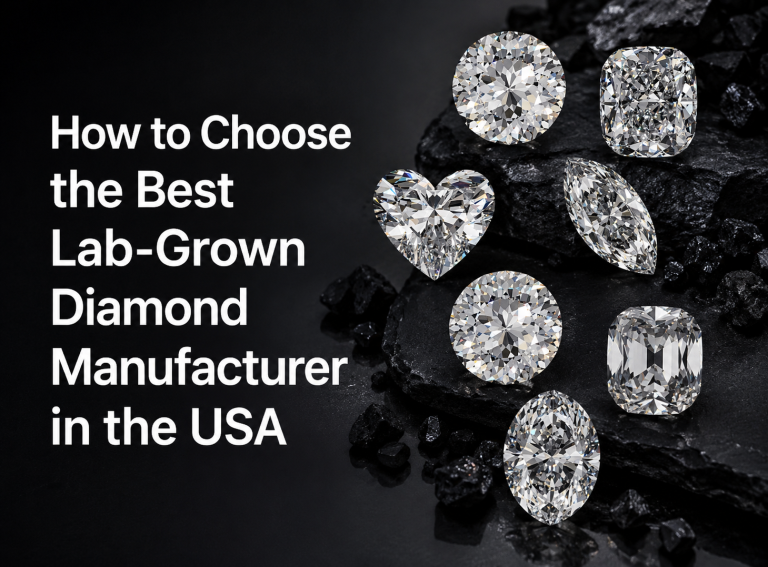
The cut of a diamond refers to the faceting pattern, the shape, and impacts its overall performance and brilliance. There are various types of diamond cuts. Here are some:
Apart from the common diamond cuts, some unique shapes and cuts are butterfly cut, star cut, among others.
Based on scientific diamond types
Diamonds are scientifically classified based on their chemical composition, into two types: Type I and Type II. These two are further segmented. This classification is based on the presence of impurities, specially, nitrogen, in the diamonds. Diamonds can be classified into 4 types: -1a,1b,2a,2b. Diamonds are classified according to the level of their chemical impurities.
Here are the different types of diamonds based on science.
Type 1 Diamonds
Diamonds can be classified into 4 types: -1a,1b,2a,2b. Diamonds are classified according to the level of their chemical impurities.
Type 1 Diamonds
Type 1 diamonds contain nitrogen. About 98% of all diamonds are type 1a.
Type 1a :-
In type 1a diamonds, nitrogen atoms are clustered together within the carbon lattice. They are of pale-yellow colour. When the nitrogen atoms are present in groups of three, they absorb wavelengths of visible light on the blue end of the spectrum. Hence, the light that is reflected appears to be yellow. Around 98% of the diamonds are type 1a.
Type 1a diamonds are further classified into 1aA and 1aB. 1aA are diamonds with nitrogen in aggregate pairs, and 1aB contains aggregates of four nitrogen atoms.
Type 1b :-
In type 1B diamonds, single nitrogen atoms instead of clusters are dispersed throughout the crystal lattice. As they are scattered, a lot of visible light is absorbed resulting in darker colours.
Type 2 Diamonds
Type 2 are diamonds that absorbed no, or very few, nitrogen atoms.
Type 2a :-
Type IIA diamonds are considered the purest form of diamonds. They contain no or very less impurities. They are considered the most rare and valuable type of diamonds. They contain a very little amount of nitrogen so they don’t easily absorb short-wave light. They are colourless and are almost transparent.
Type 2b Diamonds :-
Type IIB Diamonds do not contain nitrogen, but they contain boron. The presence of boron makes these diamonds electrically conductive. All naturally blue diamonds belong to Type 2b. They are extremely rare and form 0.1% of the diamonds.
{"AutoID":32,"DateCreation":"\/Date(1605034385110)\/","DateModified":"\/Date(1765870958443)\/","CreatedBy":null,"ModifiedBy":"Rahul Bohra","RecordStatus":"A","Title":"Types of Diamonds?","SubTitle":"Diamonds are precious \u0026 rare stones which are found inside the earth’s surface. Anatural diamond is a gemstone/precious stone made up of carbon.Due to environmental concerns Lab Grown Diamon...","Description":"\u003cp dir=\"ltr\"\u003eEven though diamonds may look the same, not all diamonds are created equal. Whether they are lab grown diamonds or mined diamonds, diamonds differ from each other at the molecular level.\u003c/p\u003e\r\n\r\n\u003cp\u003e\u0026nbsp;\u003c/p\u003e\r\n\r\n\u003cp dir=\"ltr\"\u003eBeyond the 4Cs \u0026mdash; cut, clarity, color, and carat \u0026mdash; diamonds are also classified based on their chemical composition into Type I and Type II diamonds.\u003c/p\u003e\r\n\r\n\u003cp\u003e\u0026nbsp;\u003c/p\u003e\r\n\r\n\u003cp dir=\"ltr\"\u003eAnother way of understanding diamond types is how they are created - lab grown diamonds or mined, natural diamonds. Diamonds are also segmented based on their cuts and shapes - round brilliant, princess cut, cushion cut, and more.\u003c/p\u003e\r\n\r\n\u003cp\u003e\u0026nbsp;\u003c/p\u003e\r\n\r\n\u003cp\u003eDiamonds are precious and rare stones that are found inside the earth\u0026rsquo;s surface. A natural diamond is a gemstone or precious stone made up of carbon. Due to environmental concerns, \u003ca href=\"https://www.growndiamondcorp.com/\"\u003elab-grown diamonds\u003c/a\u003e\u0026nbsp;also called as\u0026nbsp;lab-created diamonds\u0026nbsp;are being preferred over\u0026nbsp;\u003ca href=\"https://www.growndiamondcorp.com/blog/can-you-easily-distinguish-between-a-mined-and-a-lab-grown-diamond/\"\u003emined diamonds\u003c/a\u003e.\u003c/p\u003e\r\n\r\n\u003cp\u003e\u0026nbsp;\u003c/p\u003e\r\n\r\n\u003cp\u003e\u003ca href=\"https://www.growndiamondcorp.com/blog/lab-created-diamonds/\"\u003eLab-created diamonds\u003c/a\u003e\u0026nbsp;are created in a controlled environment by using the high-pressure high-temperature method (\u003cstrong\u003eHPHT\u003c/strong\u003e) and the chemical vapor deposition method (\u003cstrong\u003eCVD\u003c/strong\u003e). \u003ca href=\"https://www.growndiamondcorp.com/blog/hpht-lab-grown-diamonds-history-process-and-benefits/\"\u003eHPHT diamonds\u003c/a\u003e and \u003ca href=\"https://www.growndiamondcorp.com/blog/cvd-diamonds-everything-you-need-to-know/\"\u003eCVD diamonds\u003c/a\u003e are exactly similar to natural diamonds.\u003c/p\u003e\r\n\r\n\u003cp\u003e\u0026nbsp;\u003c/p\u003e\r\n\r\n\u003cp\u003eUnderstanding these detailed differences and the different types of diamonds can help gain a better understanding of lab grown diamonds and mined diamonds.\u003cstrong\u003e \u003c/strong\u003e\u003c/p\u003e\r\n\r\n\u003cp\u003e\u0026nbsp;\u003c/p\u003e\r\n\r\n\u003ch2\u003e\u003cstrong\u003eWhat defines a diamond type?\u003c/strong\u003e\u003c/h2\u003e\r\n\r\n\u003cp dir=\"ltr\"\u003eDiamonds can be classified in many different ways. Each method to segment diamonds is based on a different factor, such as appearance, cut or shape, value, etc. Here are some ways diamonds are classified:\u003c/p\u003e\r\n\r\n\u003cul\u003e\r\n\t\u003cli dir=\"ltr\"\u003e\r\n\t\u003cp dir=\"ltr\"\u003eOrigin: How diamonds are formed - lab grown diamonds or natural, mined\u003c/p\u003e\r\n\t\u003c/li\u003e\r\n\t\u003cli dir=\"ltr\"\u003e\r\n\t\u003cp dir=\"ltr\"\u003eColor: The presence of color or colorless diamonds\u003c/p\u003e\r\n\t\u003c/li\u003e\r\n\t\u003cli dir=\"ltr\"\u003e\r\n\t\u003cp dir=\"ltr\"\u003eCut: Based on the cut that gives a diamond its shape\u003c/p\u003e\r\n\t\u003c/li\u003e\r\n\u003c/ul\u003e\r\n\r\n\u003cp\u003eScientific type: Based on its atomic structure and impurities\u003c/p\u003e\r\n\r\n\u003cp\u003e\u0026nbsp;\u003c/p\u003e\r\n\r\n\u003ch2\u003e\u003cstrong\u003eTypes of diamonds based on different factors\u003c/strong\u003e\u003c/h2\u003e\r\n\r\n\u003ch3 dir=\"ltr\"\u003e\u003cstrong\u003eBased on origin\u003c/strong\u003e\u003c/h3\u003e\r\n\r\n\u003cp dir=\"ltr\"\u003e1. Natural diamonds: Natural diamonds or mined diamonds form under the surface of the Earth and take millions of years to form. Natural diamonds involve mining activities, which cause harm to the environment. Mined diamonds are expensive and hence not accessible or affordable to every consumer.\u0026nbsp;\u003c/p\u003e\r\n\r\n\u003cp\u003e\u0026nbsp;\u003c/p\u003e\r\n\r\n\u003cp dir=\"ltr\"\u003e2. Lab grown diamonds: Lab diamonds are man made diamonds, created inside laboratories via scientific technology. Lab created diamonds are made using two technologies - High Pressure High Temperature (HPHT) and Chemical Vapor Deposition (CVD).\u003c/p\u003e\r\n\r\n\u003cp\u003e\u0026nbsp;\u003c/p\u003e\r\n\r\n\u003cp dir=\"ltr\"\u003eLab diamonds are chemically, physically, and optimally the same as mined diamonds. They are more affordable than natural diamonds, typically, 30 to 50% less expensive. Lab made diamonds are environmentally friendly.\u003c/p\u003e\r\n\r\n\u003ch3 dir=\"ltr\"\u003e\u003cstrong\u003eBased on color\u003c/strong\u003e\u003c/h3\u003e\r\n\r\n\u003cp dir=\"ltr\"\u003e1. Colorless diamonds: Also called white diamonds, these are more popular than colored diamonds, and are a preferred choice for engagement rings. Colorless diamonds are graded on a scale from D (completely colorless)to Z (light yellow or brown tint). Here are the color grades:\u003c/p\u003e\r\n\r\n\u003cul\u003e\r\n\t\u003cli dir=\"ltr\"\u003e\r\n\t\u003cp dir=\"ltr\"\u003eD-F: Colorless, most valuable and rare\u003c/p\u003e\r\n\t\u003c/li\u003e\r\n\t\u003cli dir=\"ltr\"\u003e\r\n\t\u003cp dir=\"ltr\"\u003eG-J: Near colorless, excellent value with minimal visible color\u003c/p\u003e\r\n\t\u003c/li\u003e\r\n\t\u003cli dir=\"ltr\"\u003e\r\n\t\u003cp dir=\"ltr\"\u003eK-M: Faint color, budget-friendly options\u003c/p\u003e\r\n\t\u003c/li\u003e\r\n\t\u003cli dir=\"ltr\"\u003e\r\n\t\u003cp dir=\"ltr\"\u003eN-Z: Very light to light color, noticeable tint\u003c/p\u003e\r\n\t\u003c/li\u003e\r\n\u003c/ul\u003e\r\n\r\n\u003cp dir=\"ltr\"\u003e2. Fancy colored diamonds\u003c/p\u003e\r\n\r\n\u003cp dir=\"ltr\"\u003eBoth mined and lab grown diamonds are available in fancy colors. While less than 0.1% of mined diamonds are colored diamonds, with lab created diamonds, it is easy to grow diamonds in the desired color and tint. Here are some fancy colored diamonds:\u003c/p\u003e\r\n\r\n\u003cul\u003e\r\n\t\u003cli dir=\"ltr\"\u003e\r\n\t\u003cp dir=\"ltr\"\u003eYellow diamonds\u003c/p\u003e\r\n\t\u003c/li\u003e\r\n\t\u003cli dir=\"ltr\"\u003e\r\n\t\u003cp dir=\"ltr\"\u003ePink diamonds\u003c/p\u003e\r\n\t\u003c/li\u003e\r\n\t\u003cli dir=\"ltr\"\u003e\r\n\t\u003cp dir=\"ltr\"\u003eBlue diamonds\u003c/p\u003e\r\n\t\u003c/li\u003e\r\n\t\u003cli dir=\"ltr\"\u003e\r\n\t\u003cp dir=\"ltr\"\u003eGreen diamonds\u003c/p\u003e\r\n\t\u003c/li\u003e\r\n\t\u003cli dir=\"ltr\"\u003e\r\n\t\u003cp dir=\"ltr\"\u003eRed diamonds\u003c/p\u003e\r\n\t\u003c/li\u003e\r\n\t\u003cli dir=\"ltr\"\u003e\r\n\t\u003cp dir=\"ltr\"\u003eOrange diamonds\u003c/p\u003e\r\n\t\u003c/li\u003e\r\n\t\u003cli dir=\"ltr\"\u003e\r\n\t\u003cp dir=\"ltr\"\u003eBrown diamonds\u003c/p\u003e\r\n\t\u003c/li\u003e\r\n\t\u003cli dir=\"ltr\"\u003e\r\n\t\u003cp dir=\"ltr\"\u003ePurple diamonds\u003c/p\u003e\r\n\t\u003c/li\u003e\r\n\t\u003cli dir=\"ltr\"\u003e\r\n\t\u003cp dir=\"ltr\"\u003eBlack diamonds\u0026nbsp;\u003c/p\u003e\r\n\t\u003c/li\u003e\r\n\u003c/ul\u003e\r\n\r\n\u003ch3 dir=\"ltr\"\u003e\u0026nbsp;\u003c/h3\u003e\r\n\r\n\u003ch3 dir=\"ltr\"\u003e\u003cstrong\u003eBased on diamond cut (shape)\u003c/strong\u003e\u003c/h3\u003e\r\n\r\n\u003cp dir=\"ltr\"\u003eThe cut of a diamond refers to the faceting pattern, the shape, and impacts its overall performance and brilliance. There are various types of diamond cuts. Here are some:\u003c/p\u003e\r\n\r\n\u003cul\u003e\r\n\t\u003cli dir=\"ltr\"\u003e\r\n\t\u003cp dir=\"ltr\"\u003eRound brilliant cut diamonds\u003c/p\u003e\r\n\t\u003c/li\u003e\r\n\t\u003cli dir=\"ltr\"\u003e\r\n\t\u003cp dir=\"ltr\"\u003ePrincess cut diamonds\u003c/p\u003e\r\n\t\u003c/li\u003e\r\n\t\u003cli dir=\"ltr\"\u003e\r\n\t\u003cp dir=\"ltr\"\u003eCushion cut diamonds\u003c/p\u003e\r\n\t\u003c/li\u003e\r\n\t\u003cli dir=\"ltr\"\u003e\r\n\t\u003cp dir=\"ltr\"\u003eEmerald cut diamonds\u003c/p\u003e\r\n\t\u003c/li\u003e\r\n\t\u003cli dir=\"ltr\"\u003e\r\n\t\u003cp dir=\"ltr\"\u003eOval diamonds\u003c/p\u003e\r\n\t\u003c/li\u003e\r\n\t\u003cli dir=\"ltr\"\u003e\r\n\t\u003cp dir=\"ltr\"\u003eHeart-shaped diamonds\u003c/p\u003e\r\n\t\u003c/li\u003e\r\n\u003c/ul\u003e\r\n\r\n\u003cp dir=\"ltr\"\u003eApart from the common diamond cuts, some unique shapes and cuts are butterfly cut, star cut, among others.\u003c/p\u003e\r\n\r\n\u003ch3 dir=\"ltr\"\u003e\u0026nbsp;\u003c/h3\u003e\r\n\r\n\u003ch3 dir=\"ltr\"\u003e\u003cstrong\u003eBased on scientific diamond types\u003c/strong\u003e\u003c/h3\u003e\r\n\r\n\u003cp dir=\"ltr\"\u003eDiamonds are scientifically classified based on their chemical composition, into two types: Type I and Type II. These two are further segmented. This classification is based on the presence of impurities, specially, nitrogen, in the diamonds. Diamonds can be classified into 4 types: -1a,1b,2a,2b. Diamonds are classified according to the level of their chemical impurities.\u003c/p\u003e\r\n\r\n\u003cp dir=\"ltr\"\u003eHere are the different types of diamonds based on science.\u0026nbsp;\u003c/p\u003e\r\n\r\n\u003cp\u003e\u0026nbsp;\u003c/p\u003e\r\n\r\n\u003cp dir=\"ltr\"\u003e\u003cstrong\u003eType 1 Diamonds\u003c/strong\u003e\u003c/p\u003e\r\n\r\n\u003cp\u003eDiamonds can be classified into 4 types: -1a,1b,2a,2b. Diamonds are classified according to the level of their chemical impurities.\u003c/p\u003e\r\n\r\n\u003ch3\u003e\u003cstrong\u003eType 1 Diamonds\u003c/strong\u003e\u003c/h3\u003e\r\n\r\n\u003cp\u003eType 1 diamonds contain nitrogen. About 98% of all diamonds are type 1a.\u003c/p\u003e\r\n\r\n\u003ch4\u003e\u003cstrong\u003eType 1a :-\u003c/strong\u003e\u003c/h4\u003e\r\n\r\n\u003cp dir=\"ltr\"\u003eIn type 1a diamonds, nitrogen atoms are clustered together within the carbon lattice. They are of pale-yellow colour. When the nitrogen atoms are present in groups of three, they absorb wavelengths of visible light on the blue end of the spectrum. Hence, the light that is reflected appears to be yellow. Around 98% of the diamonds are type 1a.\u0026nbsp;\u003c/p\u003e\r\n\r\n\u003cp dir=\"ltr\"\u003e\u003cbr /\u003e\r\nType 1a diamonds are further classified into 1aA and 1aB. 1aA are diamonds with nitrogen in aggregate pairs, and 1aB\u0026nbsp; contains aggregates of four nitrogen atoms.\u003c/p\u003e\r\n\r\n\u003ch4\u003e\u003cstrong\u003eType 1b :-\u003c/strong\u003e\u003c/h4\u003e\r\n\r\n\u003cp\u003eIn type 1B diamonds, single nitrogen atoms instead of clusters are dispersed throughout the crystal lattice. As they are scattered, a lot of visible light is absorbed resulting in darker colours.\u003c/p\u003e\r\n\r\n\u003cp\u003e\u0026nbsp;\u003c/p\u003e\r\n\r\n\u003ch3\u003e\u003cstrong\u003eType 2 Diamonds\u003c/strong\u003e\u003c/h3\u003e\r\n\r\n\u003cp\u003eType 2 are diamonds that absorbed no, or very few, nitrogen atoms.\u003c/p\u003e\r\n\r\n\u003ch4\u003e\u003cstrong\u003eType 2a :-\u003c/strong\u003e\u003c/h4\u003e\r\n\r\n\u003cp\u003e\u003ca href=\"https://www.growndiamondcorp.com/blog/what-is-a-type-iia-lab-grown-diamond/\"\u003eType IIA diamonds\u0026nbsp;\u003c/a\u003eare considered\u0026nbsp; the purest form of diamonds. They contain no or very less impurities. They are considered\u0026nbsp; the most rare and valuable type of diamonds. They contain a very little amount of nitrogen so they don\u0026rsquo;t easily absorb short-wave light. They are colourless and are almost transparent.\u003c/p\u003e\r\n\r\n\u003ch4\u003e\u003cstrong\u003eType 2b Diamonds :-\u003c/strong\u003e\u003c/h4\u003e\r\n\r\n\u003cp\u003eType IIB Diamonds do not contain nitrogen, but they contain boron. The presence of boron makes these diamonds electrically conductive. All naturally blue diamonds belong to Type 2b. They are extremely rare and form 0.1% of the diamonds.\u003c/p\u003e\r\n","FromDate":null,"ToDate":null,"Image_Url":"types-of-diamonds.png","Image_Alt":"Types of Diamonds","KeyWords":"eco friendly diamonds, eco friendly diamond, certified eco friendly diamonds, eco diamonds, eco grown diamonds, grown diamond corporation, Keyword\r\nlab grown diamonds,lab created diamonds, cvd diamonds, type iia diamonds","MetaDescription":"There are four different types of diamonds: Type I diamonds include Ia and Ib, while Type II diamonds include IIa and IIb. Explore the formation process and how each type is created.","MetaTitle":"Types of Diamonds: A Complete Beginner\u0027s Guide","CanonicalLink":"https://www.growndiamondcorp.com/blog/types-of-diamonds/","MetaContent":"\u003c!-- Open Graph / Facebook --\u003e\r\n\u003cmeta property=\"og:type\" content=\"website\"\u003e\r\n\u003cmeta property=\"og:url\" content =\"https://www.growndiamondcorp.com/blog/types-of-diamonds/\"\u003e\r\n\u003cmeta property=\"og:title\" content=\"Types of Diamonds? | Grown Diamond Corporation\"\u003e\r\n\u003cmeta property=\"og:description\" content=\"What are the types of lab grown diamonds? Diamonds can be classified into 4 types: 1a, 1b, 2a, and 2b, \u0026 according to the level of their chemical impurities. Continue reading to learn more.\"\u003e\r\n\u003cmeta property=\"og:image\" content=\"https://docs.growndiamondcorp.com/blog/types-of-diamonds.png\"\u003e\r\n\r\n\u003c!-- Twitter --\u003e\r\n\u003cmeta property=\"twitter:card\" content=\"summary_large_image\"\u003e\r\n\u003cmeta property=\"twitter:url\" content=\"https://www.growndiamondcorp.com/blog/fashion-comes-alive-with-lab-grown-colored-diamonds/\"\u003e\r\n\u003cmeta property=\"twitter:title\" content=\"Types of Diamonds? | Grown Diamond Corporation\"\u003e\r\n\u003cmeta property=\"twitter:description\" content=\"What are the types of lab grown diamonds? Diamonds can be classified into 4 types: 1a, 1b, 2a, and 2b, \u0026 according to the level of their chemical impurities. Continue reading to learn more.\"\u003e\r\n\u003cmeta property=\"twitter:image\" content=\"https://docs.growndiamondcorp.com/blog/types-of-diamonds.png\"\u003e","SeqNo":5,"Slug":"types-of-diamonds","GetTitle":"types-of-diamonds","GetImageUrl":"https://docs.growndiamondcorp.com/blog/types-of-diamonds.png"}