The Best Lab-Grown Diamond Cuts


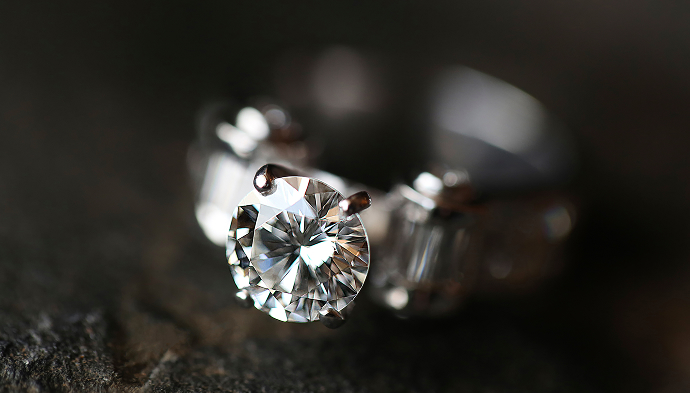
What if someone asked you to explain what ‘cut’ is in a lab-grown diamond? Would you be able to explain? Buying diamonds is exciting. For many, it’s a huge investment, and hence, the choice of diamond has to be perfect. Alas! A number of people still end up buying a diamond that they regret later on.
While some of us have basic knowledge about diamonds, the majority of consumers know little about how to purchase diamonds. There are a lot of aspects that one should consider when buying diamonds: their physical appearance, intrinsic properties, the seller, the origin, the supply chain, and certifications. In this article, we explore the importance of the diamond ‘cut’ and the recommended lab-grown diamond cut.
Knowing a little about the 4 Cs of diamonds could be an advantage when buying lab-grown diamonds. The 4 Cs are important because they give a diamond its quality, sparkle, and radiance. Customers can further understand the importance of having knowledge about the 4 Cs when it comes to the grading certification that comes with their diamonds. Diamonds differ in cut, colour, carat, and clarity, —the 4 Cs. Among other aspects, the 4 Cs are what determine the price of diamonds. The most important of the four Cs is cut.
So, what is ‘cut’ in lab-grown diamonds?
Cut: Every diamond is a pattern of light. Cut is the most important factor in diamonds because it gives them the ability to disperse light. The cut is what reflects luminous light, brightness, dispersion, contrast, and scintillation. Not only does it give the diamond its shape, but a cut is what results in the look and feel of a lab-grown diamond.
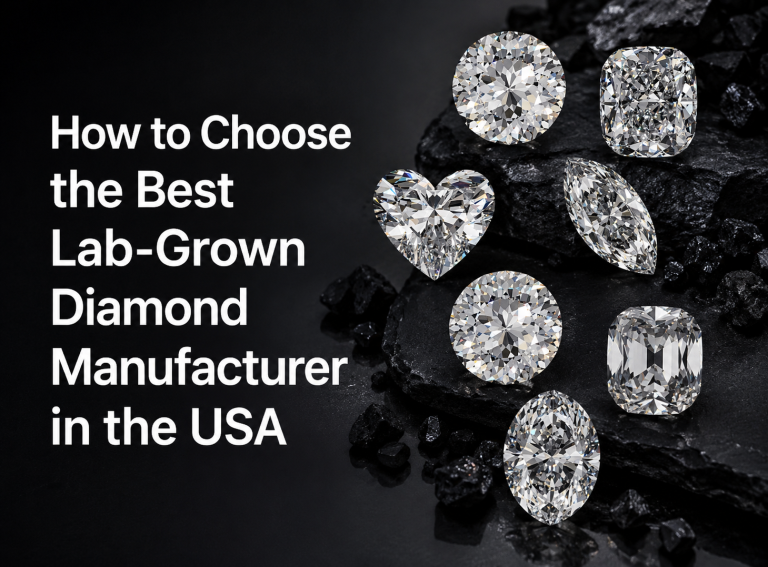
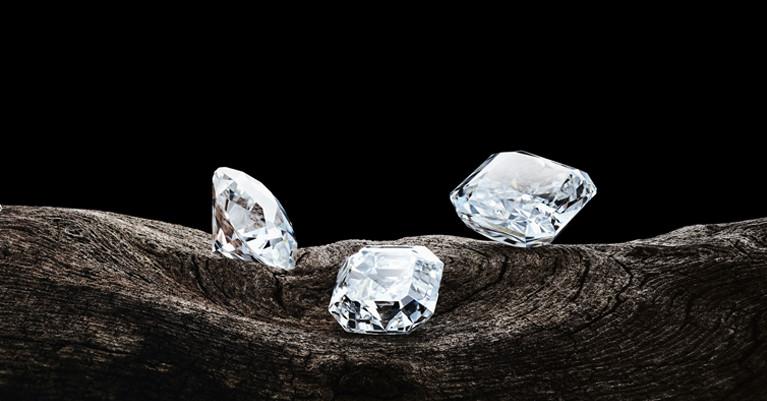
This brings us to the most prevalent cuts and shapes of diamonds: round, princess, emerald, asscher, cushion, pear, and oval, among others.
Let’s try to understand the different cuts of diamonds and their special features.
What are the different cut types for lab diamonds?
Lab-Created Round-Cut Diamond
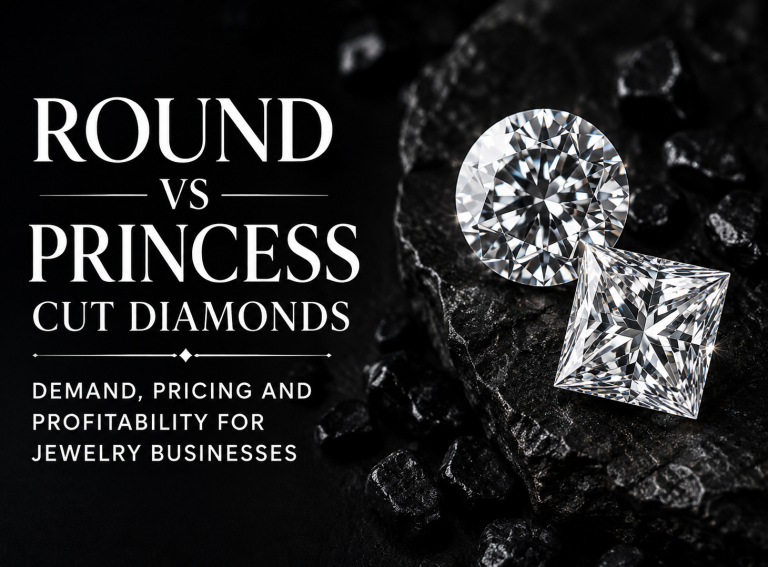
According to research, ‘round’ lab-grown diamonds are one of the most popular and the best cut for a lab diamond. About 75% of the diamonds sold are round. They are also highly recommended for their quality and ability to fit into different kinds of jewellery designs with ease. Here’s what you should know about round diamonds:
-
The round cut was created by Marcel Tolkowsky in 1919.
-
Round diamonds are the most versatile and multipurpose.
-
They have a timeless look that can be used in modern and contemporary designs. Round Cut Lab Grown Diamonds have a high sparkle.
-
Lab-created round-cut diamonds are called RBC (round brilliant cut) because of their popularity.
-
It has 58 facets, which cause light to bounce from the bottom of the diamond back through the top. This is what gives it sparkle.
-
Because it is round, it is symmetrical.
Lab-Created Princess-Cut Diamond
The lab grown princess cut diamond is square in shape and has intricate facets, anywhere between 49 and 144. This means it gives the diamond more sparkle from the pointed corners. When it comes to cutting, Princess diamonds are one of the least expensive shapes to create.
- The cut was invented in 1961 in London.
- It is the second-most popular shape after the round.
- The additional facets also mean that fewer flaws are noticeable in this shape.
Lab-Created Emerald-Cut Diamond
Known as a glamorous shape, the emerald-cut lab diamond is a rectangular shape with long and lean facets extending down the sides. Lacking brilliance, the flat part of the top of the diamond shows off its clarity better than any other shape. Even though it lacks brilliance, it appears elegant, and that is why it is one of the most recommended cuts.
- This shape has its origins in the Art Deco period.
- It is also called a step cut because of the cut corners that resemble stair steps.
- It was the most popular shape in the 1920s.
Lab-Created Marquise-Cut Diamond
The man made marquise cut lab grown diamond is oval in shape with rounded sides and points at the end. Due to its elongated shape, this cut ends up appearing larger than its actual size. It is recommended for those who are looking to maximize carat weight. It was invented in the 18th century during the reign of Louis XIV and is supposedly named after his mistress, the Marquise de Pompadour. It is said to be inspired by her smile.
Lab-Created Marquise-Cut Diamond
The man made marquise cut lab grown diamond is oval in shape with rounded sides and points at the end. Due to its elongated shape, this cut ends up appearing larger than its actual size. It is recommended for those who are looking to maximize carat weight. It was invented in the 18th century during the reign of Louis XIV and is supposedly named after his mistress, the Marquise de Pompadour. It is said to be inspired by her smile.
Lab-Created Asscher-Cut Diamond
The Asscher Cut Lab Grown Diamond is quite identical to the emerald cut, with the only difference being its square shape as compared to the rectangle. With clipped corners, a chunky profile, and stepped sides, it is popular due to its elegant look. This shape is quite popular among people who like things with an antique and vintage vibe.
- This shape too has an art deco vibe to it reminding me of the 1920s.
- It was created by the Asscher brothers of Amsterdam in 1902.
Lab-Created Oval-Cut Diamond
Lab-created oval cut lab-created diamonds are known for their remarkable brilliance. This cut is even, symmetrical, and elegant. What is more, it lends itself well to different kinds of contemporary and modern jewellery designs. Its elongated shape makes fingers look slender when worn as a finger ring. It is most recommended for those who do not want to go for the usual round cut.
Lab-Created Heart-Cut Diamond
Everyone’s favorite shape, the Lab Grown Heart cut diamonds are like Pear-shaped diamonds. They can be of an elongated or fatter shape, too, depending on the skill and precision of the diamond cutter. The Heart shape makes it difficult to examine flaws, so buyers are recommended to sift through the diamonds before purchasing.
Lab-Created Cushion-Cut Diamond
The Cushion cut diamond is also known as pillow-cut because it is shaped like a cushion or a pillow. It is known for its flawless brilliance and clarity. These qualities are attributed to their rounded corners and larger facets. This shape can be found in variations of square or rectangle as well.
Lab-Created Radiant-Cut Diamond
The Radiant Cut Lab Grown Diamond is yet another square-shaped diamond with rounded corners. This shape has an extra sparkle because of the way its underside is cut, with 70 facets. It maximizes the effect of its color refraction. The Radiant shape is mostly used for finger rings and earrings.
Lab-Created Pear-Cut Diamond
As the name suggests, the Pear cut diamond resembles a teardrop. It appears like a mix of the marquise and the oval and can be elongated or made fatter depending on one’s preference. This shape is quite popular for engagement rings and highly recommended by jewelry designers.
By now you must have decided the cut and shape of your diamond depending on the purpose and what you are looking for in your diamond. And now that you know the difference between the cuts and what they mean, having your own collection of different types of lab-grown diamonds just became more meaningful. Isn’t it?