Marquise Cut Lab Grown Diamonds
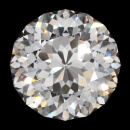
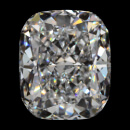
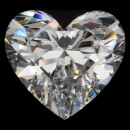
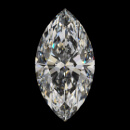
Marquise Cut Diamond
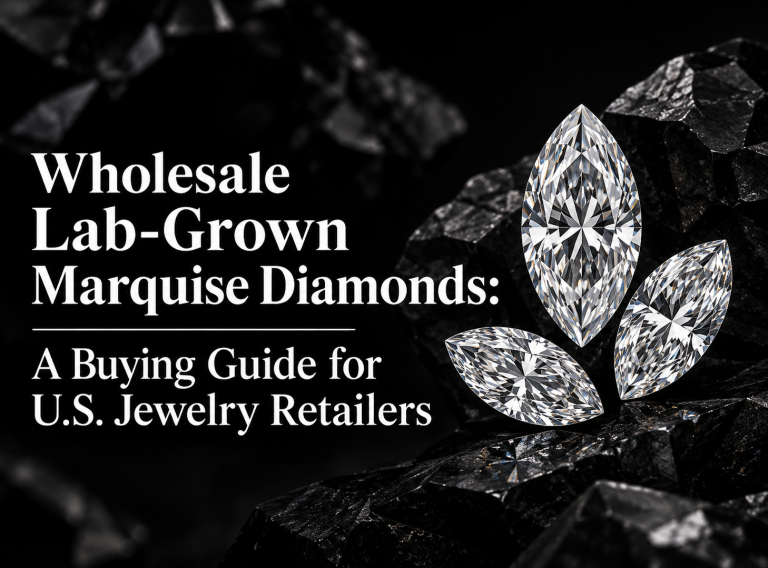
The marquise-cut diamond is an elongated oval outline with pointed ends at both tips, delivering one of the most striking silhouettes in the diamond trade. This shape draws its origins from 18th-century France, where King Louis XV commissioned a diamond cut to match the lips of his mistress, the Marquise de Pompadour. With 56 to 58 facets, this marquise-shaped diamond delivers remarkable brilliance, fire, and scintillation that makes it a strong choice for marquise engagement rings and fine jewelry.


Marquise cut pros and cons.
The marquise-cut diamond delivers vintage elegance in a bold, dramatic silhouette. Its elongated shape maximizes surface area, making it appear larger than most cuts at the same carat weight, a key commercial advantage for marquise diamond rings and marquise tennis bracelets. The 56 to 58 facets produce strong brilliance and fire, while the pointed ends create an unmistakable silhouette. The trade-off is durability. The pointed tips are vulnerable to chipping and require protective V-tip prong settings. The shape is also prone to a bow-tie effect, a dark shadow across the center.
Why are marquise-cut diamonds in demand?
The marquise-cut diamond is in steady trade demand as a distinctive alternative to round, oval, and cushion cuts. Its elongated silhouette appeals across marquise engagement ring, marquise-cut diamond ring, and marquise diamond tennis bracelet categories. The face-up size advantage over round brilliants at the same carat weight makes it commercially attractive for retailers. GDC manufactures lab-grown marquise diamonds across all commercial grades, direct to the trade.
Key features of a marquise-cut diamond
The marquise-cut diamond features 56 to 58 facets that produce brilliance and strong light performance. Its elongated shape with two sharp pointed ends is one of the most recognizable silhouettes in fine jewelry. The large surface area relative to carat weight makes the marquise shape diamond one of the most size-efficient options in the trade. Its brilliant facet pattern conceals inclusions effectively, and the narrow profile creates a flattering visual effect when set as a marquise diamond ring.
Why buy marquise-cut diamonds from Grown Diamond Corporation?
GDC manufactures marquise-cut lab-grown diamonds at its own facilities, direct to the trade. Retailers and wholesalers access certified lab-grown marquise diamonds through the CRBN platform, with 360-degree videos, symmetry grading data, and real inventory. The inventory covers marquise engagement rings, marquise-cut diamond rings, marquise tennis bracelets, and loose marquise-shaped diamonds across all grades and carat weights. The supply chain has no middlemen. GDC is the direct manufacturer for every marquise-cut lab-grown diamond in its inventory.
BLOGS
Insights from the World of Lab-Grown Diamonds

GDC NEWSLETTER
The Modern Diamond Journal by GDC
Join 2,000-plus retailers, wholesalers, and jewelry buyers who get trade insights, new inventory updates, and market intelligence directly to their inbox from GDC.
FAQs
No. The marquise-cut diamond is competitively priced among fancy shapes. It costs less per carat than a round brilliant of the same grade and appears significantly larger face-up due to its elongated profile. Lab-grown marquise diamonds cost 30 to 40% less than mined equivalents of the same quality.
Yes. Certification is especially important for marquise-cut lab-grown diamonds because symmetry is the defining quality factor. GCAL certification verifies proportions, symmetry, and optical performance, giving trade partners accurate grading data to assess tip alignment, shoulder balance, and bow-tie effect severity before making inventory decisions.
The marquise-cut diamond combines a royal heritage with one of the strongest face-up size advantages in the diamond trade. Its pointed oval silhouette, 56 to 58 facets, and elongated profile make the marquise-shaped diamond instantly recognizable and commercially versatile across rings, pendants, and marquise diamond tennis bracelets.
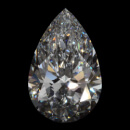
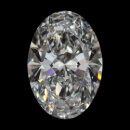
The marquise-cut diamond shares the oval cut's elongated silhouette and face-up size advantage, but its pointed ends at both tips give it a more dramatic and symmetrical appearance. The pear cut has one rounded end and one point, making the marquise more formal and architectural in profile.
A lab-grown marquise-cut diamond costs 30 to 40% less than a mined marquise-cut diamond of equivalent quality, with additional savings compared to round brilliants of the same grade. At wholesale from GDC, trade partners access manufacturer direct pricing across all grades and carat weights.
Popular Search Queries
Are Lab Grown Diamonds Real | Lab Grown Diamonds Manufacturer | CVD Diamond | Engineered Diamonds | Man-Made Diamonds | Round Brilliant Cut Diamond | Synthetic Diamonds | GIA Certified Lab Grown Diamonds | Lab Cultured Diamond | VVS Diamonds | Cultured Diamond | Portuguese Cut Diamond | Best Lab Grown Diamonds | Lab Grown Diamond Price | HPHT Diamond | Lab grown diamonds | Diamonds grown in Lab | 3 Carat Lab Grown Diamonds | Lab Grown Diamonds Australia | I2 Clarity Diamonds | Lab grown diamonds cost | Lab produced diamonds | Green Lab Grown Diamonds | 2 Carat Lab Grown Diamond | 4 Carat Lab Manufactured Diamonds | Lab Grown Sapphire | SI Diamonds | Yellow Lab Grown Diamonds | Lab Grown Black Diamonds
